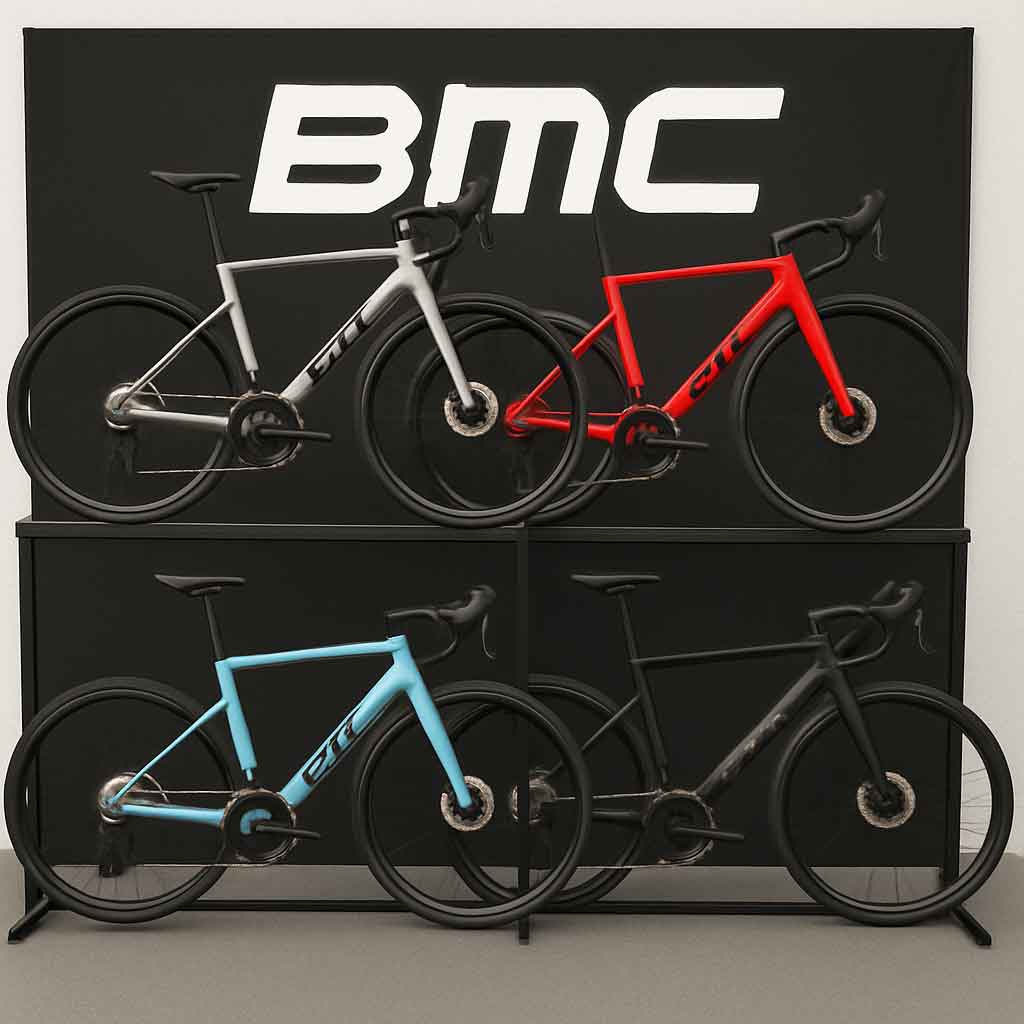
The world of cycling has undergone transformative changes over the years, particularly in the design and functionality of bicycles. A significant development in the cycling industry is the advent of disc brake technology. This innovation has redefined not only how bikes stop but also how they are constructed. In this expanded article, we will delve deeper into the evolution of disc frame technology and its profound impact on cycling.
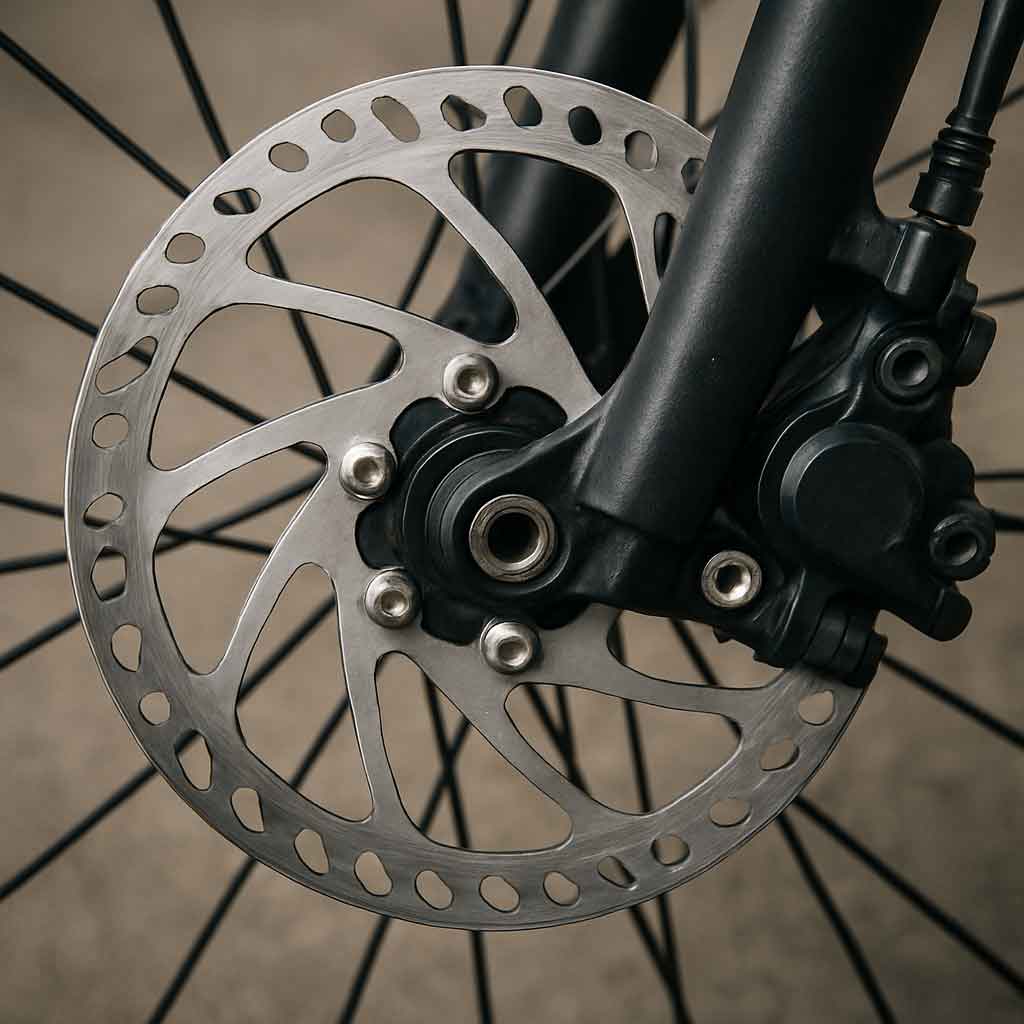
Disc brakes first emerged in the realm of mountain biking during the late 1990s. Mountain bikers required enhanced braking performance to navigate the demanding terrains of downhill and off-road conditions. Traditional rim brakes were inadequate for these challenges, leading to the adoption of disc brakes, which offered superior stopping power and performance, especially in wet or muddy conditions. This innovation was quickly embraced by mountain biking enthusiasts.
Initial Developments in Mountain Biking
The introduction of disc brakes into mountain biking marked a pivotal point in the sport. Early adopters found that disc brakes provided consistent performance regardless of the weather, a stark contrast to rim brakes that often faltered in adverse conditions. This consistency not only enhanced safety but also allowed riders to push the limits of their biking capabilities.
Engineering Challenges and Solutions
The transition to disc brakes was not without its engineering challenges. Manufacturers had to redesign wheel hubs and brake mounts to accommodate the new system. This led to the development of stronger, more robust components capable of handling the increased stress that disc brakes exerted on the bike's structure.
Cultural Shift in Mountain Biking
The adoption of disc brakes initiated a cultural shift within the mountain biking community. Riders began to prioritize performance and reliability over traditionalism. This shift paved the way for further technological advancements and set a precedent for the adoption of disc brakes in other cycling disciplines.
Transition to Road Bikes
As disc brakes established their superiority in mountain biking, the focus gradually shifted to road bikes. Initially, the road cycling community was hesitant to embrace this new technology. Concerns regarding weight, aerodynamics, and compatibility with existing components slowed the transition. However, as technology advanced, disc brakes began to gain acceptance among road cyclists.
Overcoming Resistance in Road Cycling
Road cycling, known for its traditions and conservatism, initially resisted the change to disc brakes. Many road cyclists were wary of the increased weight and potential aerodynamic drawbacks. Over time, as manufacturers addressed these issues, the benefits of disc brakes became more apparent, leading to wider acceptance.
Technological Improvements
Advancements in materials and design played a crucial role in overcoming initial resistance. Lighter and more aerodynamic disc brake systems were developed, minimizing the weight penalty and aerodynamic drag. These improvements made disc brakes a viable option for competitive road cyclists seeking performance gains.
Adoption in Competitive Cycling
The inclusion of disc brakes in professional cycling races marked a turning point for their adoption. As professional teams began to use disc brakes, amateur cyclists followed suit, driven by the desire to emulate the pros. This trend accelerated the widespread acceptance of disc brakes in road cycling.
The Impact on Frame Design
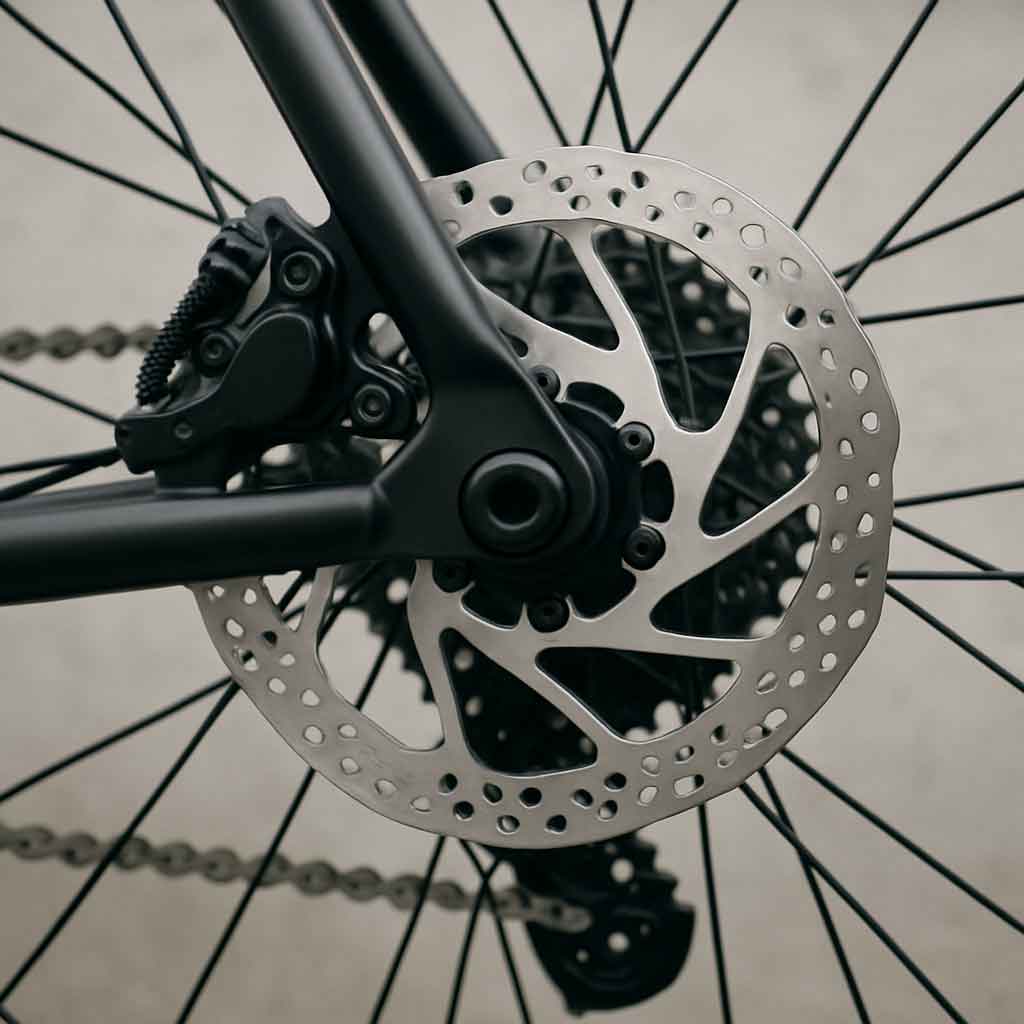
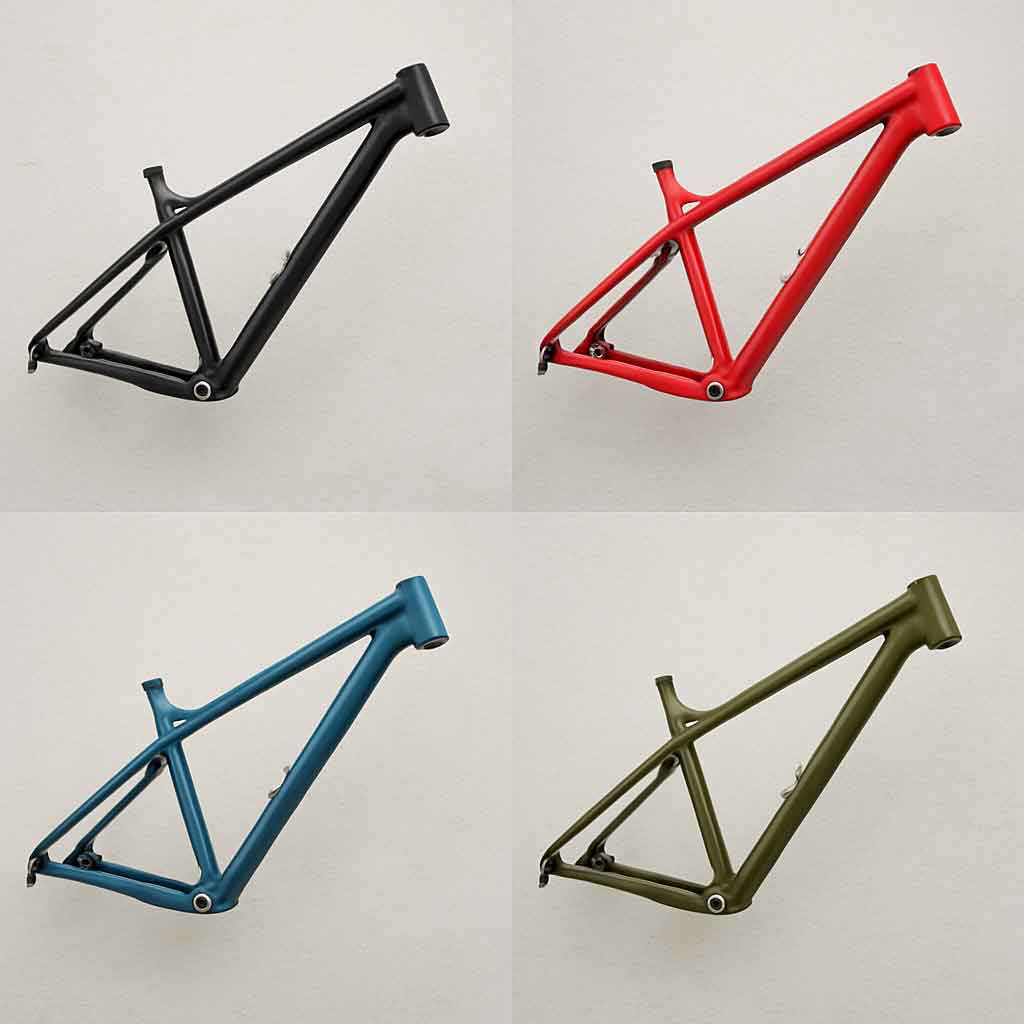
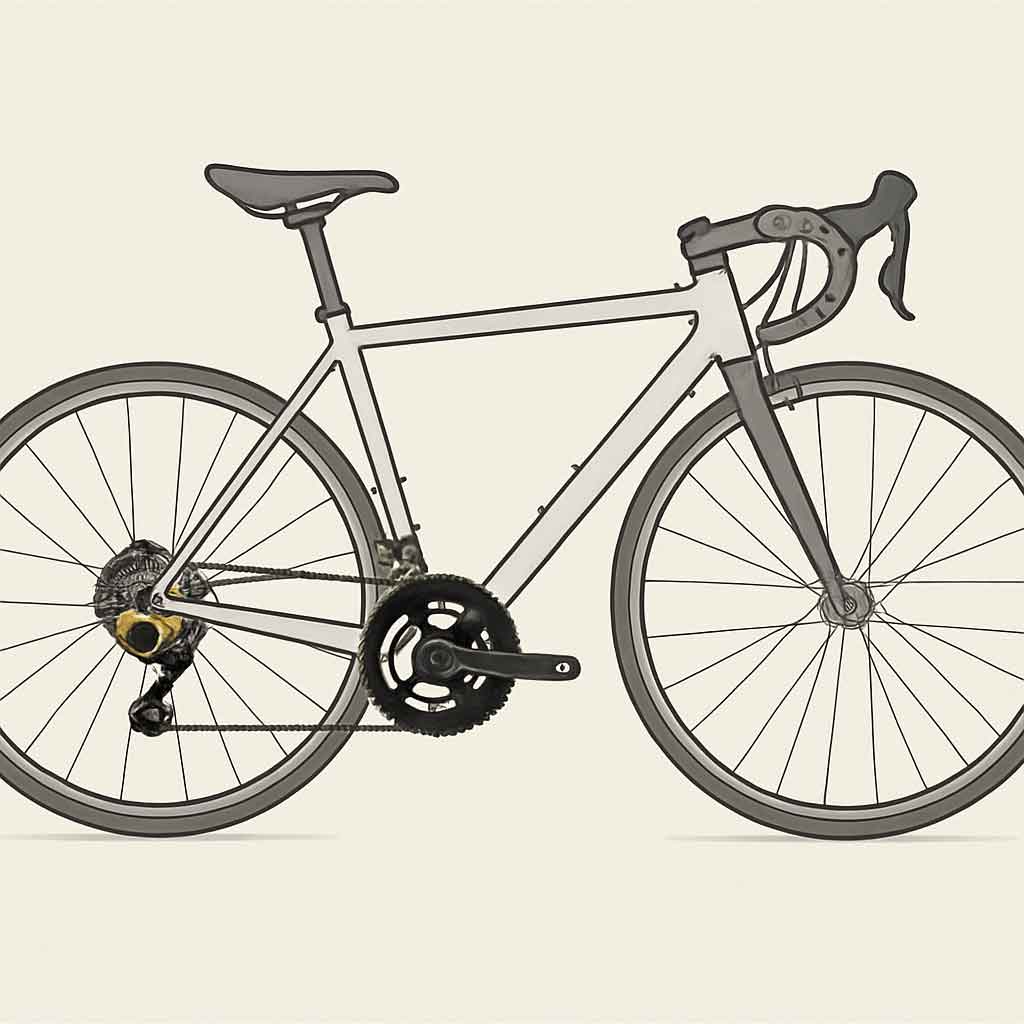
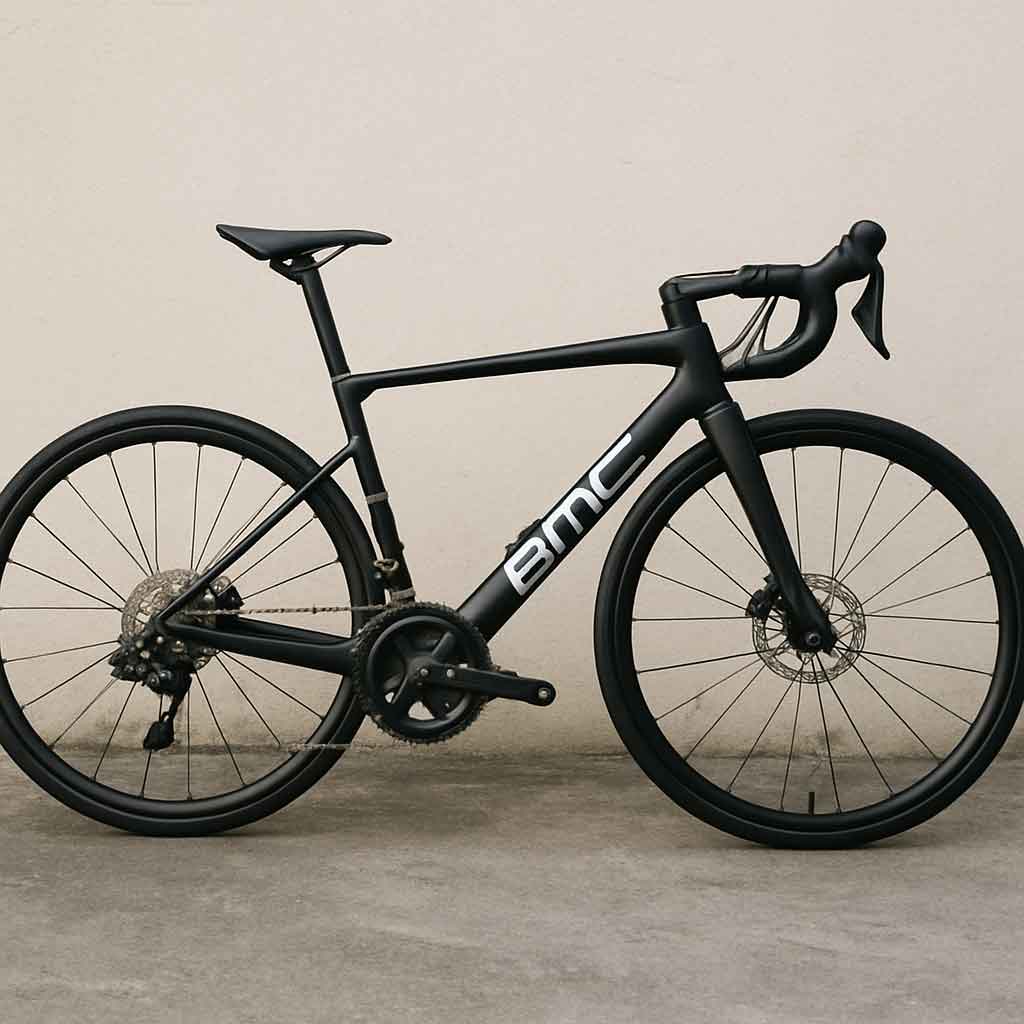
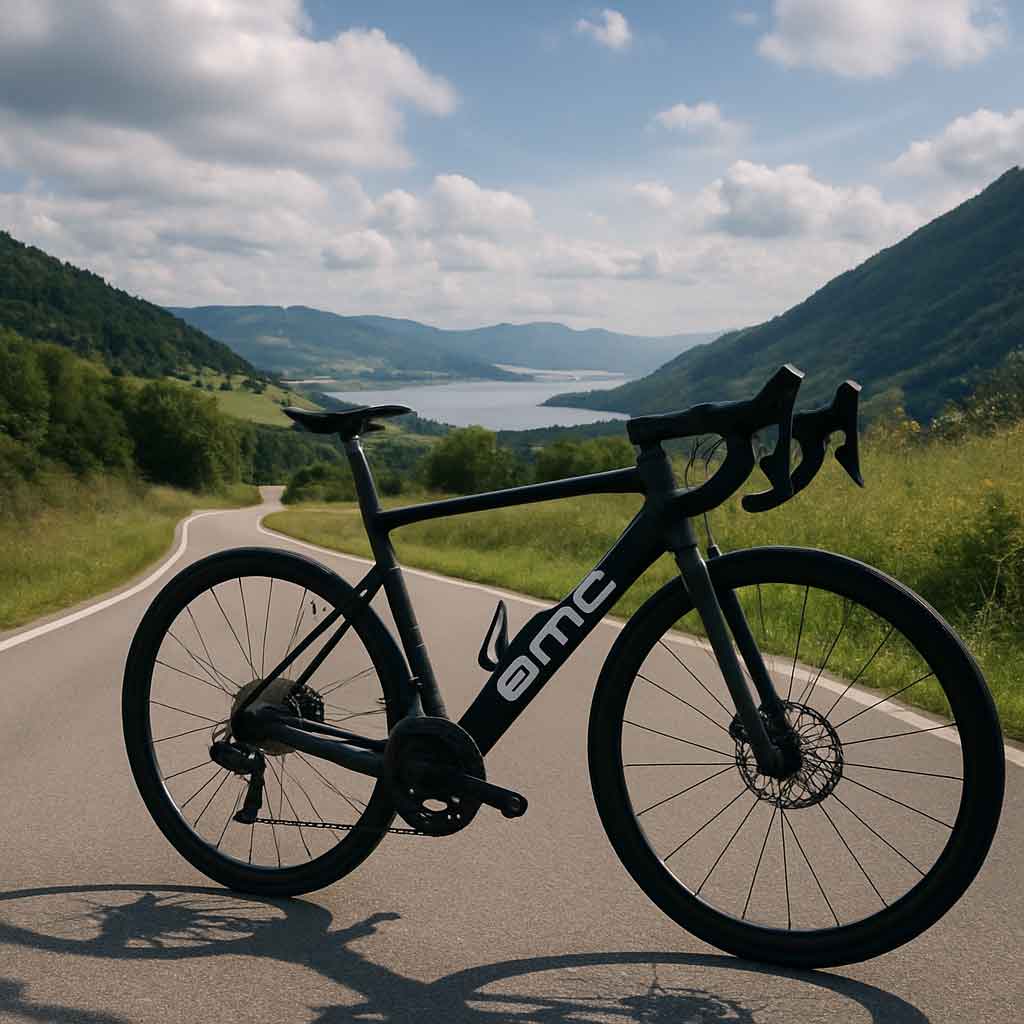
The introduction of disc brakes necessitated significant changes in frame design. Traditional bicycle frames were engineered to accommodate rim brakes, which apply braking force to the wheel's rim. Disc brakes, in contrast, apply force to a rotor attached to the wheel hub. This fundamental shift required extensive modifications to bike frames.
Innovations in Frame Geometry
To support disc brakes, bicycle frames underwent a transformation in geometry. Engineers redesigned frame angles and dimensions to optimize performance and stability when braking. This led to the creation of more versatile frames capable of handling different riding styles and conditions.
Reinforcement and Material Innovations
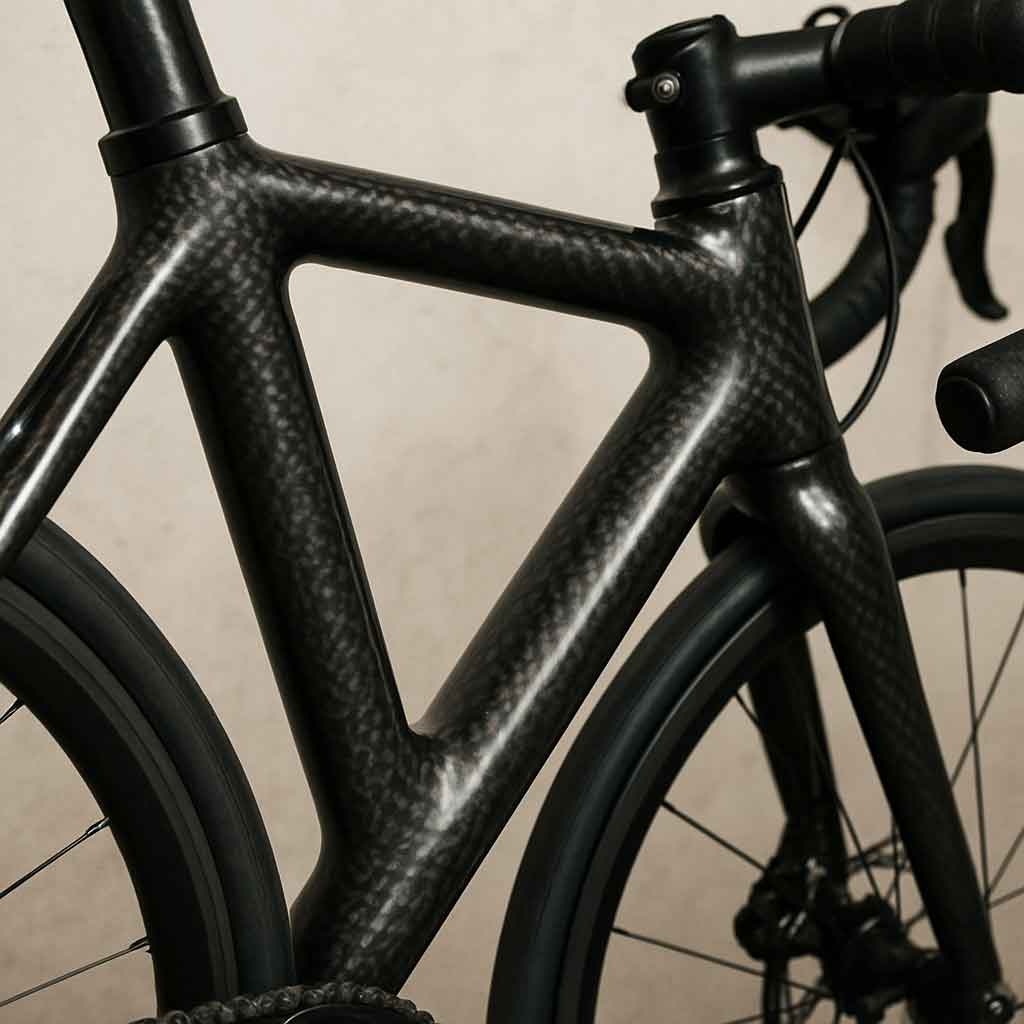
With the increased forces exerted by disc brakes, frames required additional reinforcement. Manufacturers experimented with various materials to achieve the desired strength without adding excessive weight. Carbon fiber emerged as the material of choice due to its excellent strength-to-weight ratio and ability to absorb braking forces efficiently.
Customization and Versatility
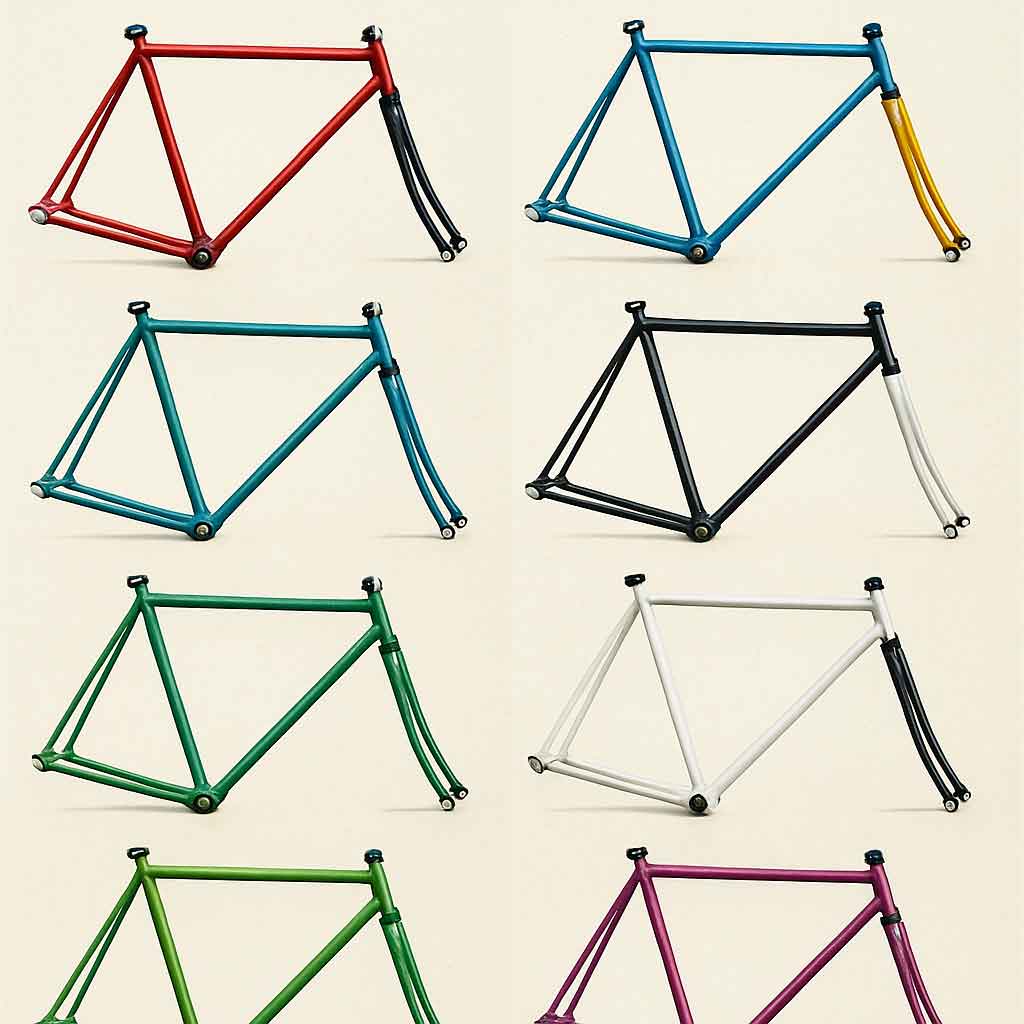
The evolution of disc frame technology brought about greater customization options for cyclists. Frames were designed to accommodate a wider range of tire sizes and riding styles. This versatility allowed cyclists to tailor their bikes to specific needs, whether it be road racing, gravel riding, or touring.
Technological Advancements
Beyond changes in frame design, technological advancements have been instrumental in the evolution of disc frame technology. These innovations have further enhanced the performance and appeal of disc brakes.
Evolution of Hydraulic Disc Brakes
Hydraulic disc brakes represent a significant advancement over mechanical systems. By using fluid to transfer braking force, hydraulic systems offer smoother and more consistent performance. This innovation has made hydraulic disc brakes the preferred choice for many cyclists, particularly those seeking superior control and modulation.
Aerodynamics and Integration
Modern disc frame sets are meticulously designed with aerodynamics in mind. Manufacturers strive to create sleek, integrated designs that minimize drag and enhance overall bike performance. Features such as integrated cable routing and flat-mount calipers have become standard on high-end disc frames, contributing to a more streamlined look and feel.
Electronic Integration
The integration of electronic components, such as electronic shifting systems, with disc frame technology is an area of ongoing development. These advancements promise to further improve the riding experience by offering seamless gear changes and enhanced performance metrics, all while maintaining the clean lines of modern bicycle design.
The Benefits of Disc Frame Technology

Disc frame technology offers numerous advantages over traditional rim brake systems, making them a popular choice among cyclists at all levels.
Enhanced Braking Performance
Disc brakes provide superior stopping power and modulation, allowing riders to control their speed with greater precision. This is particularly important in challenging conditions where traditional rim brakes may falter. The increased braking performance gives cyclists the confidence to tackle more demanding routes and terrains.
Increased Frame Durability and Strength
Disc frame sets are engineered to withstand the additional forces generated by disc brakes, resulting in more durable frames. This durability translates to increased longevity and reliability, making disc frames a worthy investment for serious cyclists who demand performance and resilience.
Versatility Across Cycling Disciplines
One of the standout features of disc brake systems is their compatibility with a broad range of tire sizes and widths. This versatility enables cyclists to choose the best tire for their specific riding style and terrain, whether it's a narrow road tire for speed or a wider gravel tire for off-road adventures.
Challenges and Considerations
While disc frame technology offers many benefits, there are also challenges and considerations that cyclists must keep in mind.
Weight and Performance Trade-offs
One of the primary concerns with disc brakes is the added weight they bring to the bike. Disc brake systems are generally heavier than rim brakes, which can be a drawback for cyclists focused on speed and lightweight performance. However, ongoing advancements in materials and engineering are helping to reduce this weight penalty.
Maintenance and Cost Implications
Disc brake systems require more maintenance than traditional rim brakes. Hydraulic systems, in particular, need regular bleeding and servicing to ensure optimal performance. Additionally, the cost of replacing disc brake components can be higher, which may be a consideration for budget-conscious cyclists.
Compatibility and Standardization
As disc brake technology continues to evolve, compatibility and standardization remain important considerations. Cyclists must ensure that their bikes and components are compatible with the latest disc brake standards. Manufacturers are working towards creating universal standards that facilitate ease of use and compatibility across different brands and models.
The Future of Disc Frame Technology
As technology continues to advance, the future of disc frame technology looks promising. Innovations in materials, design, and integration will further enhance the performance and appeal of disc frames.
Advancements in Material Science
Future developments in material science will likely yield even lighter and stronger materials for disc frame construction. These advancements will contribute to the creation of frames that offer unparalleled performance without compromising durability or weight.
Greater Integration with Digital Technologies
The ongoing integration of digital technologies, such as GPS and data tracking systems, with disc frame technology is expected to enhance the cycling experience. These innovations will provide cyclists with real-time data and insights, enabling them to optimize their performance and make informed decisions on the road.
Continued Evolution of Standards
Industry standards for disc brake systems and frames are constantly evolving. As manufacturers strive to create universal standards, cyclists can expect increased compatibility and ease of use across different brands and models. This evolution will simplify the purchasing process and ensure that cyclists can fully enjoy the benefits of disc frame technology.
Conclusion
Disc frame technology has revolutionized the cycling world, offering enhanced braking performance, increased durability, and greater versatility. As the technology continues to evolve, cyclists can look forward to even more advancements that will enhance their riding experience. Whether you're a road cyclist, mountain biker, or gravel enthusiast, disc frame technology offers significant benefits that make it a worthwhile investment for any rider. With ongoing innovations and improvements on the horizon, the future of disc frame technology is bright, promising even greater enhancements for cyclists worldwide.