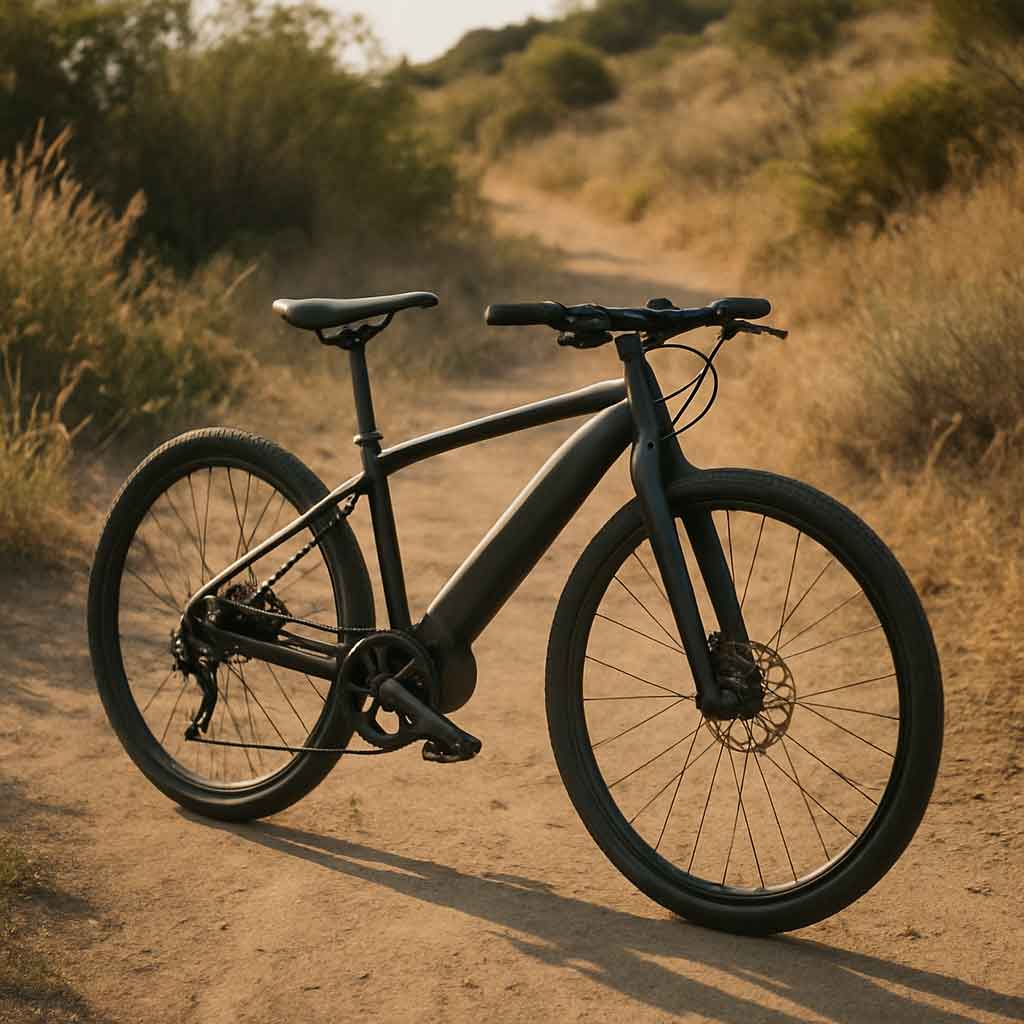
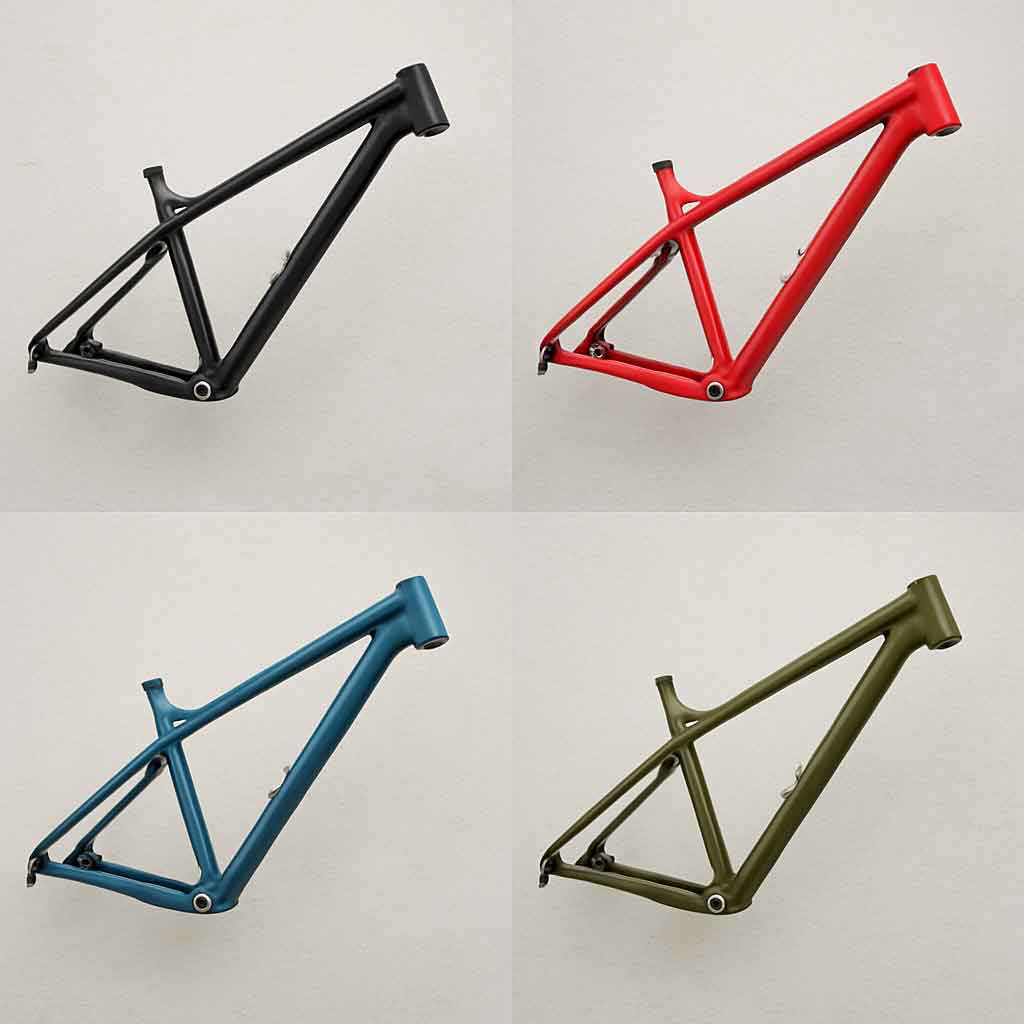
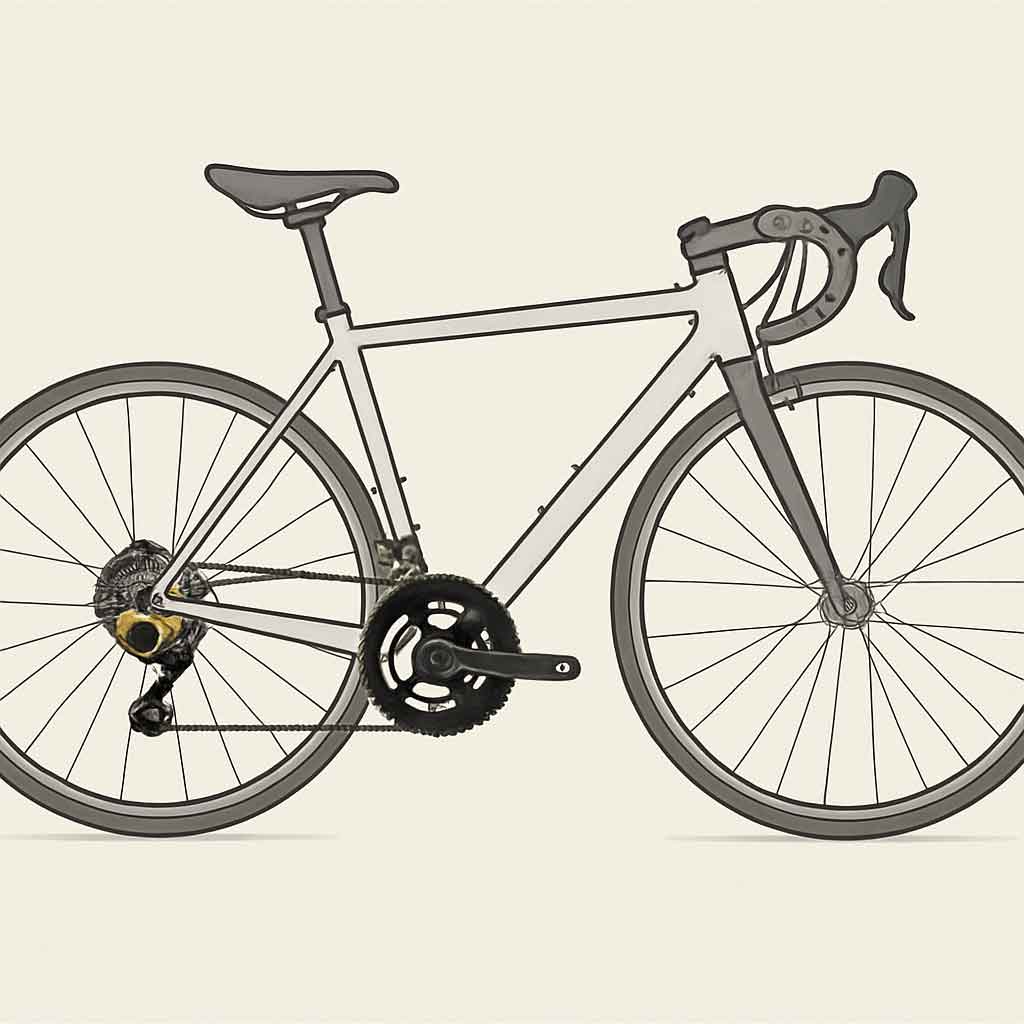
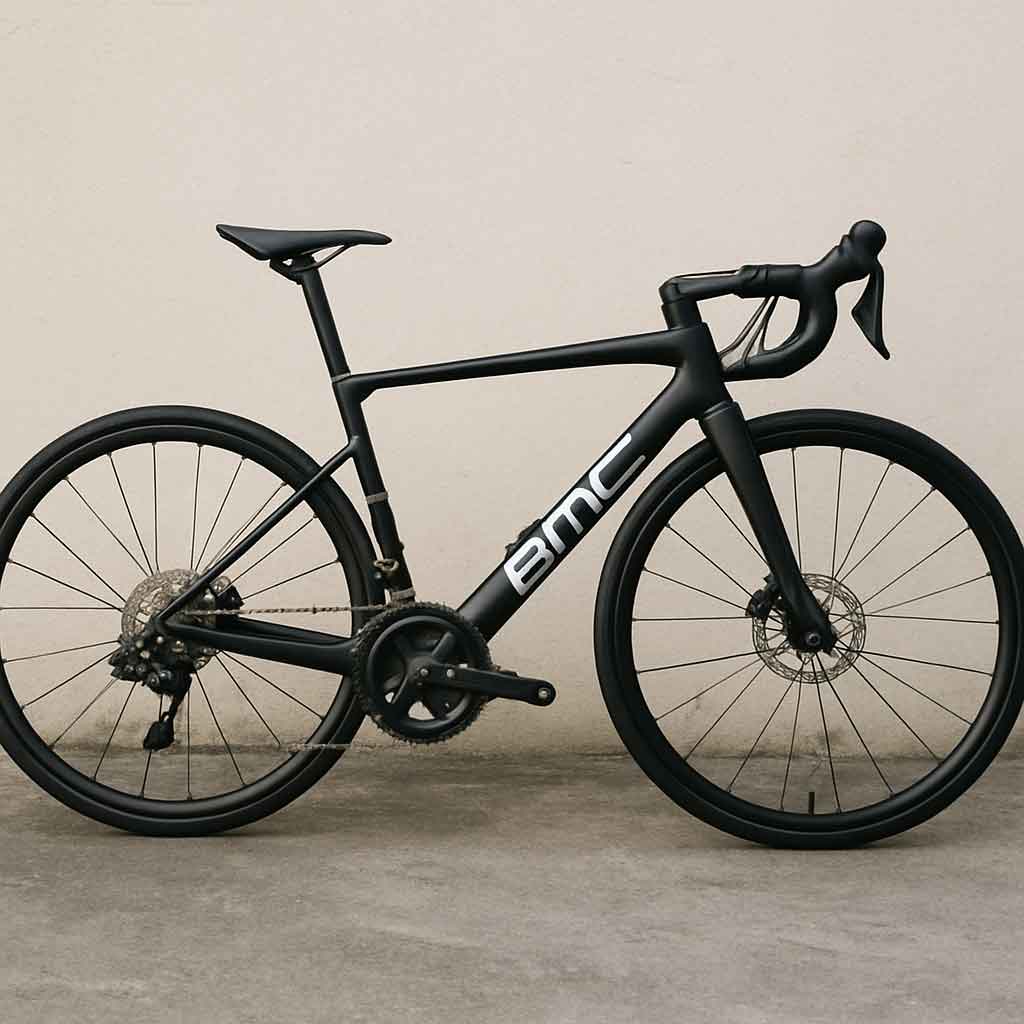
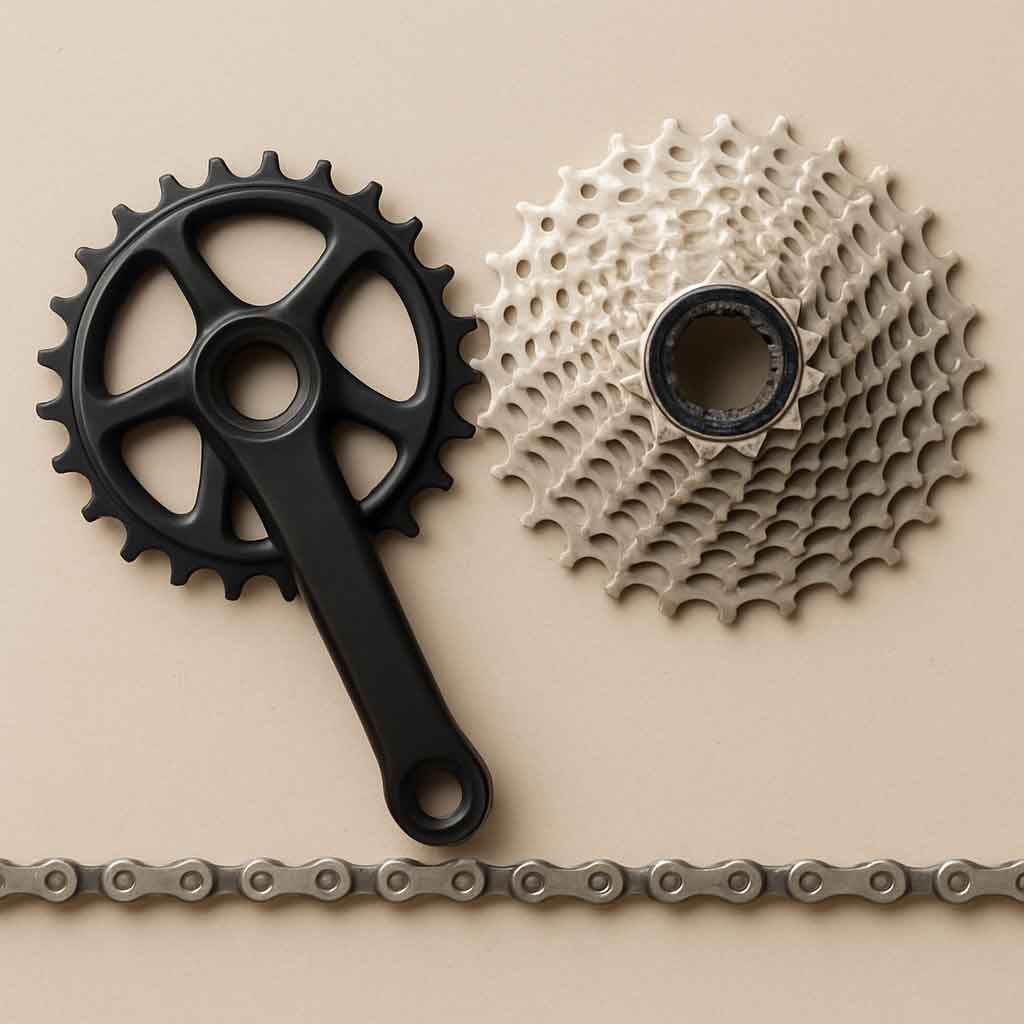
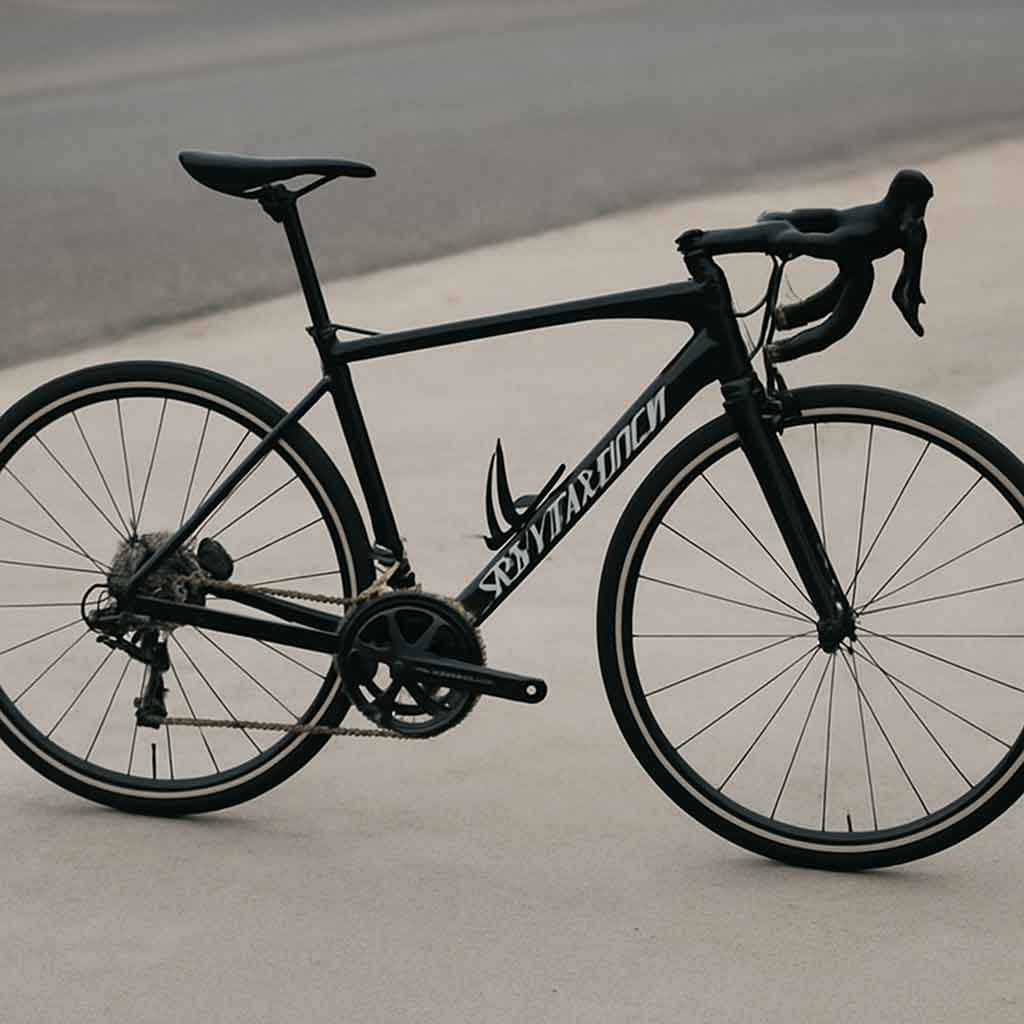
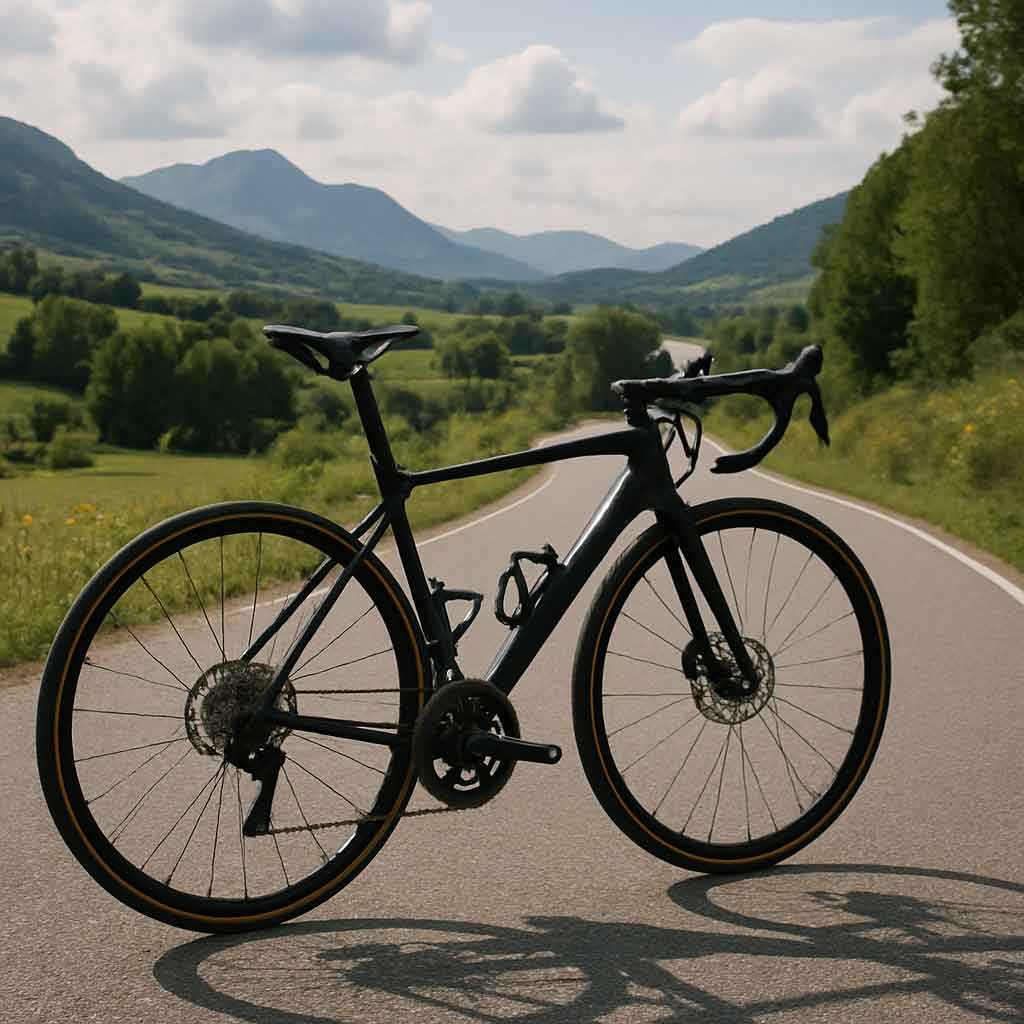
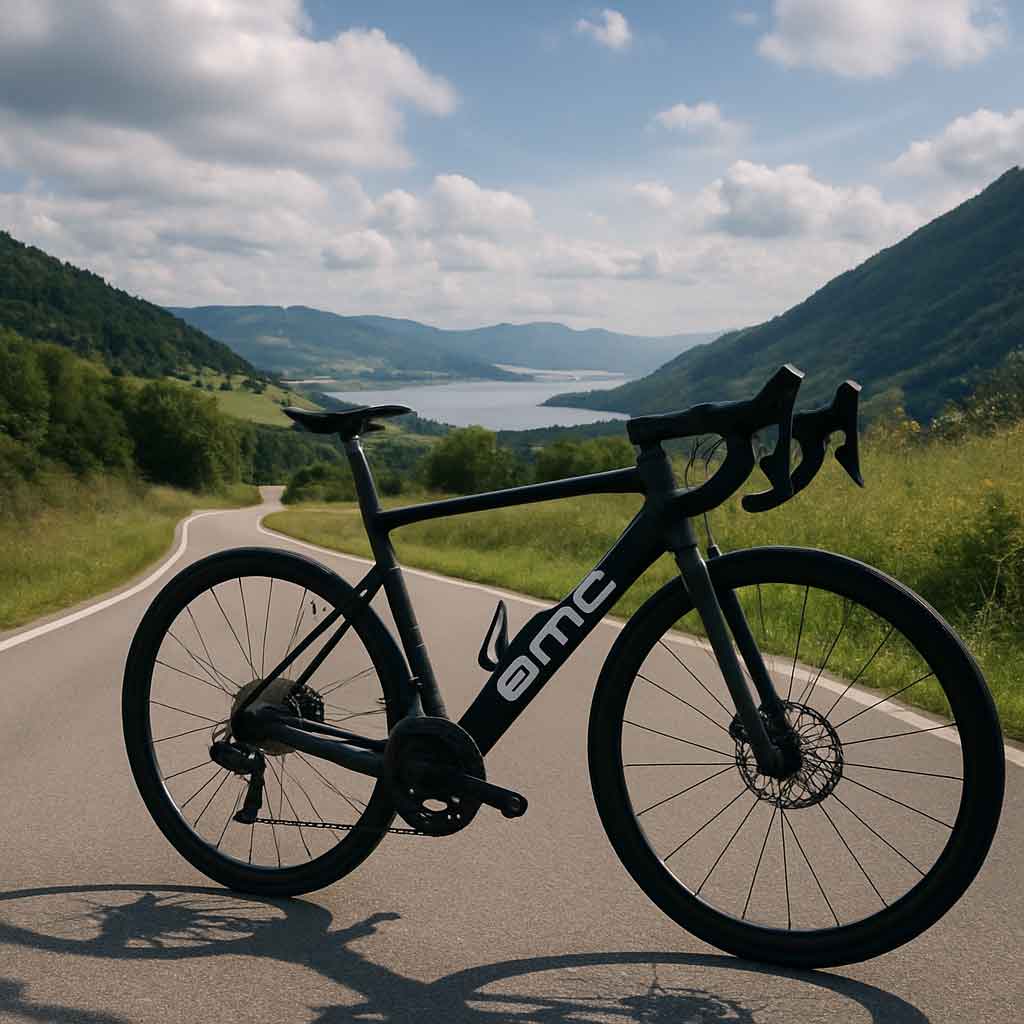
Choosing the right disc frame can be a game-changer for your cycling experience. Whether you're a seasoned cyclist or a beginner, the frame you choose will have a significant impact on your ride's comfort, performance, and safety. With a plethora of options available, it's essential to understand what makes each disc frame unique and how to select the best one for your needs. This guide will walk you through everything you need to know to make an informed decision.
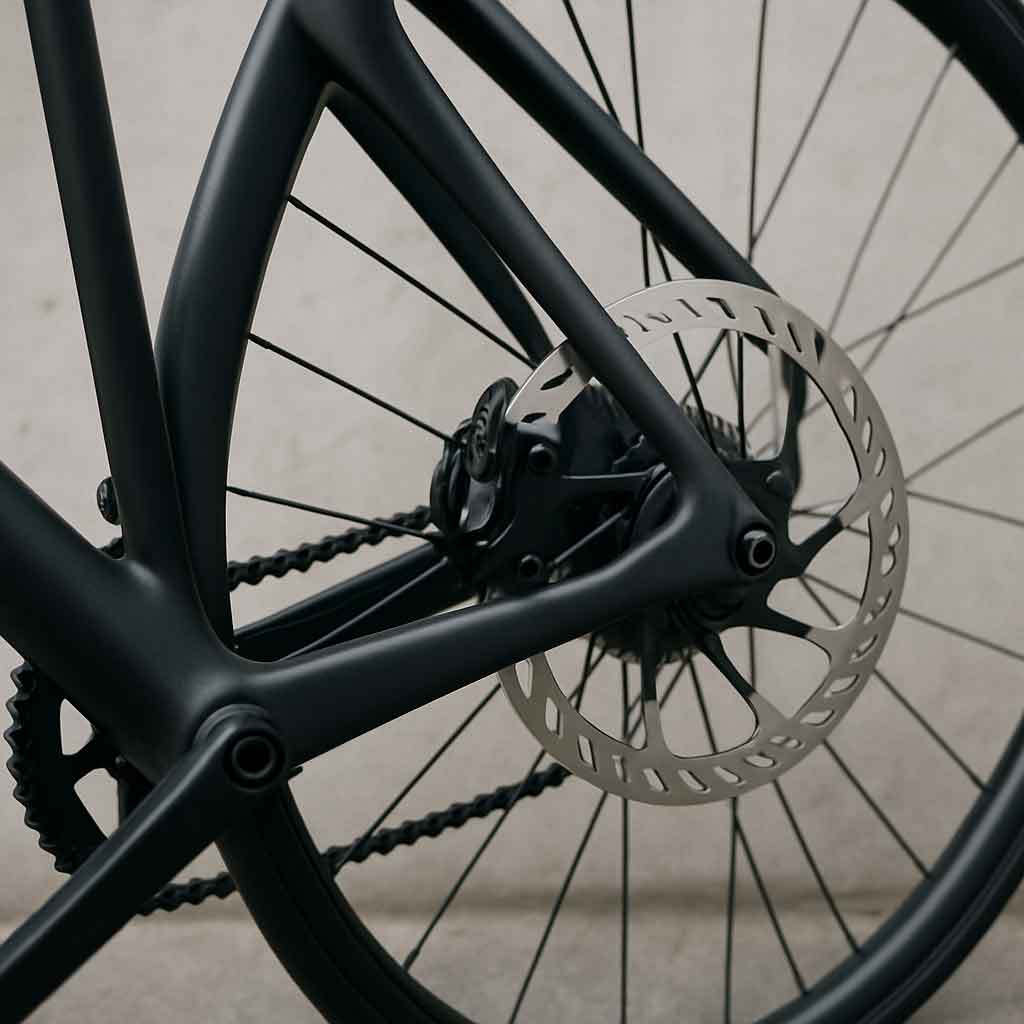
Disc frames have gained immense popularity in the cycling world due to their superior braking performance and versatile applications. Unlike traditional rim brakes, disc brakes provide better stopping power and consistent performance in various weather conditions. This makes them a preferred choice for many cyclists, especially those who ride in diverse terrains.
Types of Disc Frames
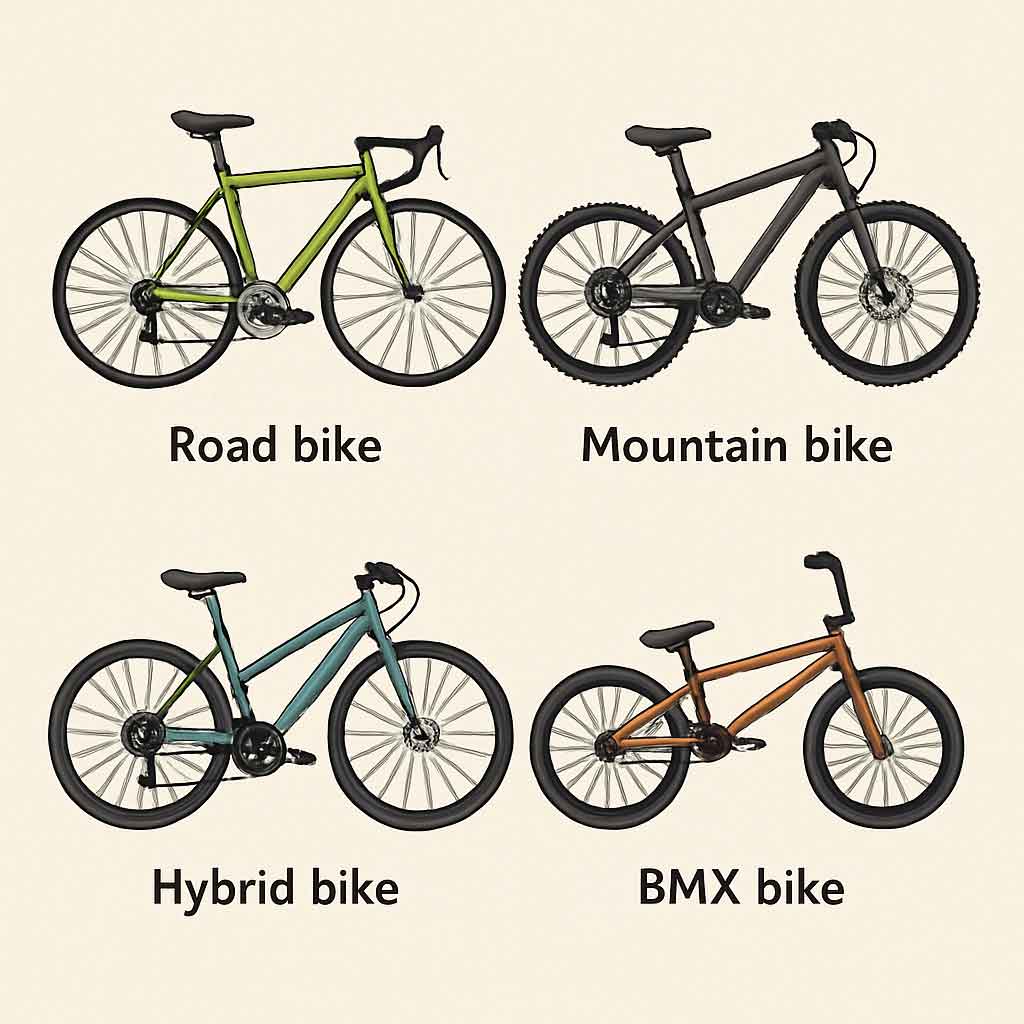
There are several types of disc frames, each designed to cater to specific cycling needs. Understanding these distinctions will help you narrow down your choices:
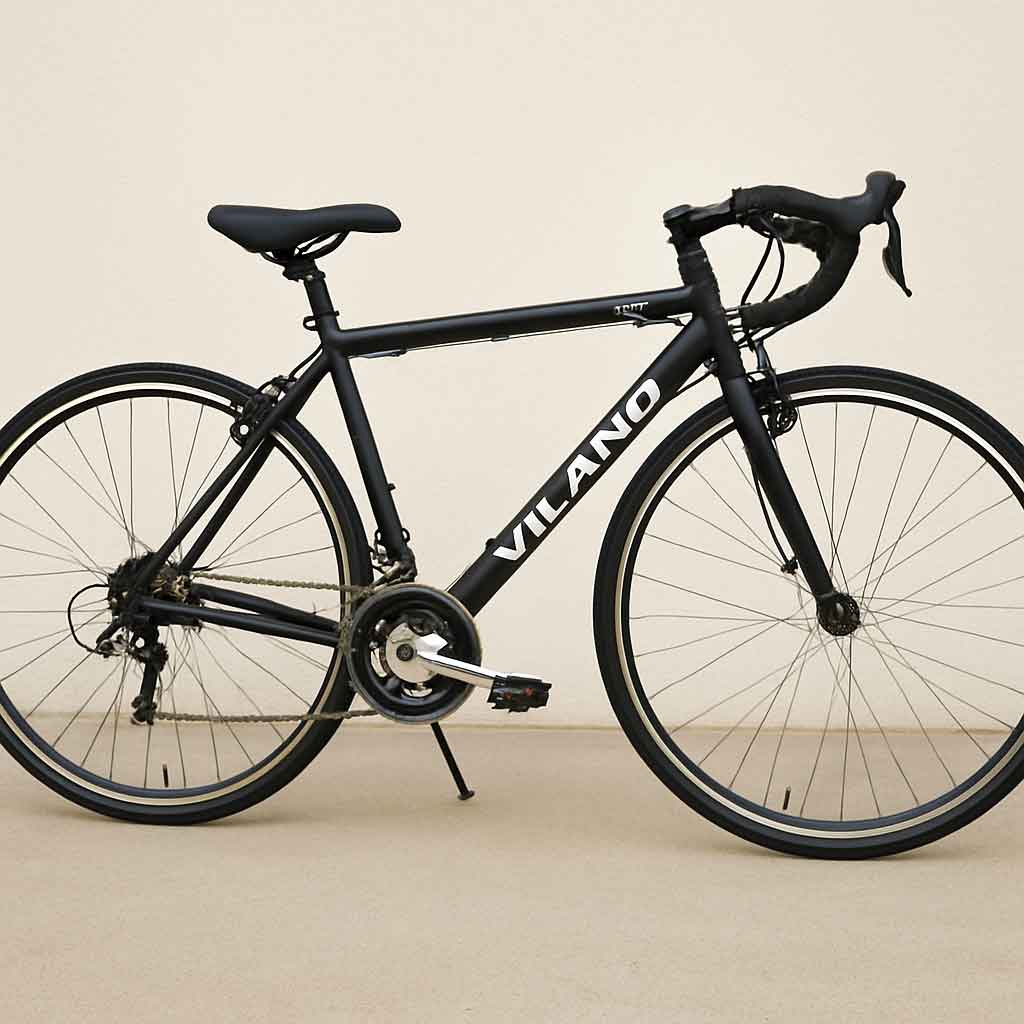
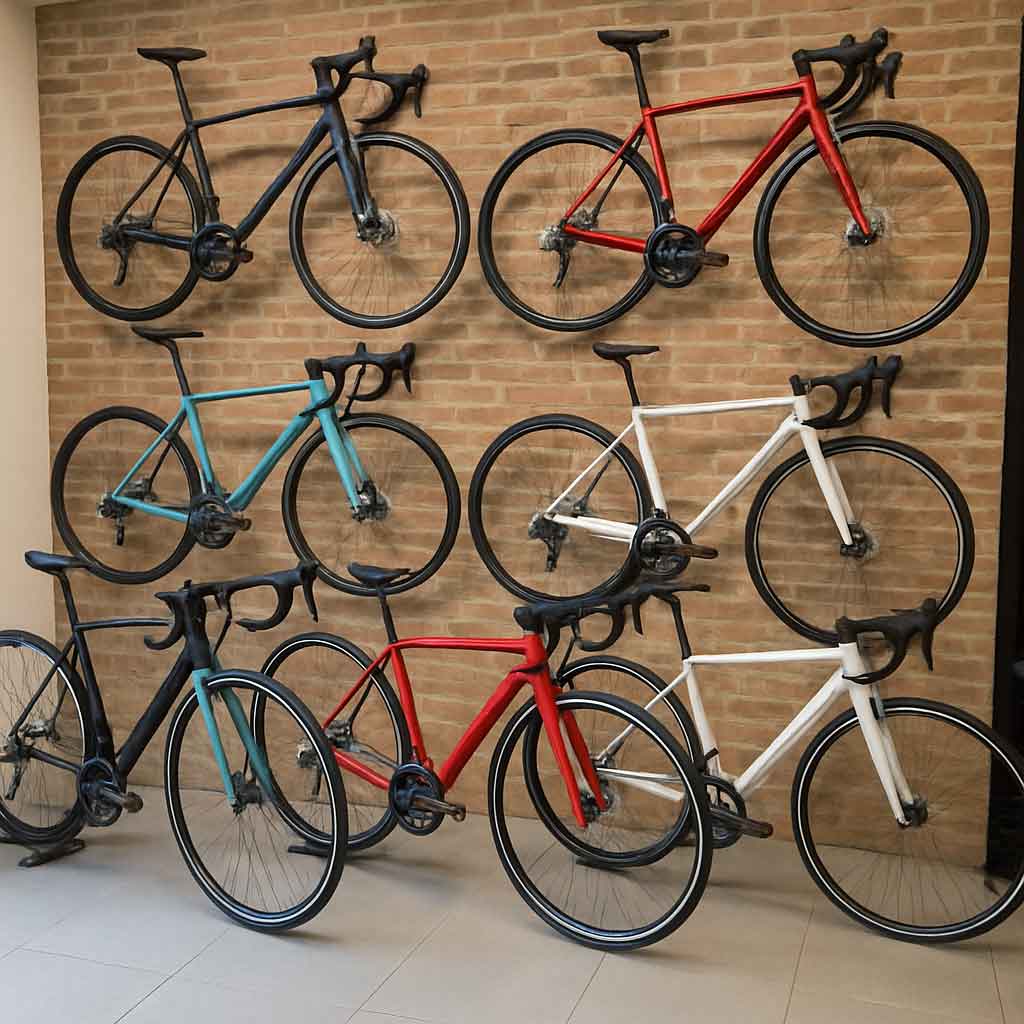
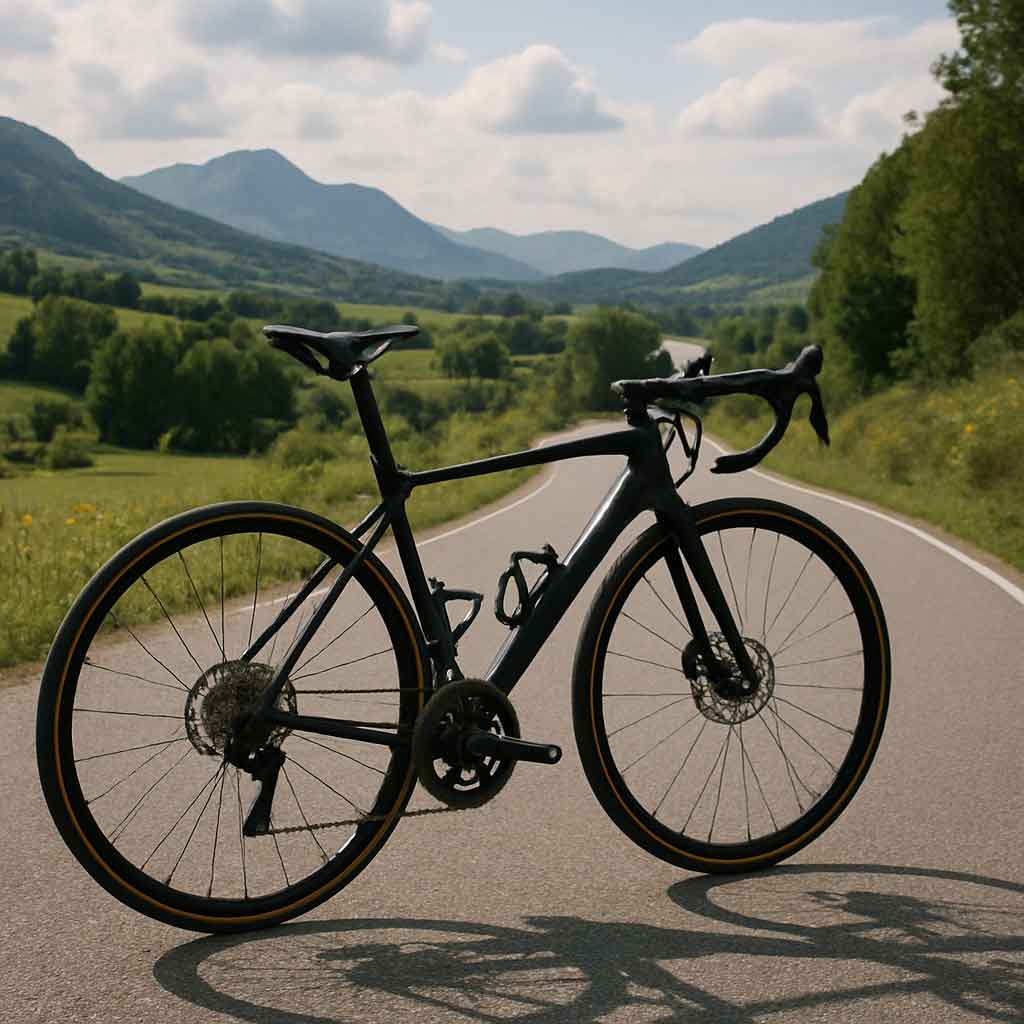
- Road Disc Frames: Perfect for road cyclists who prioritize speed and efficiency. These frames are lightweight and aerodynamically designed to reduce drag.
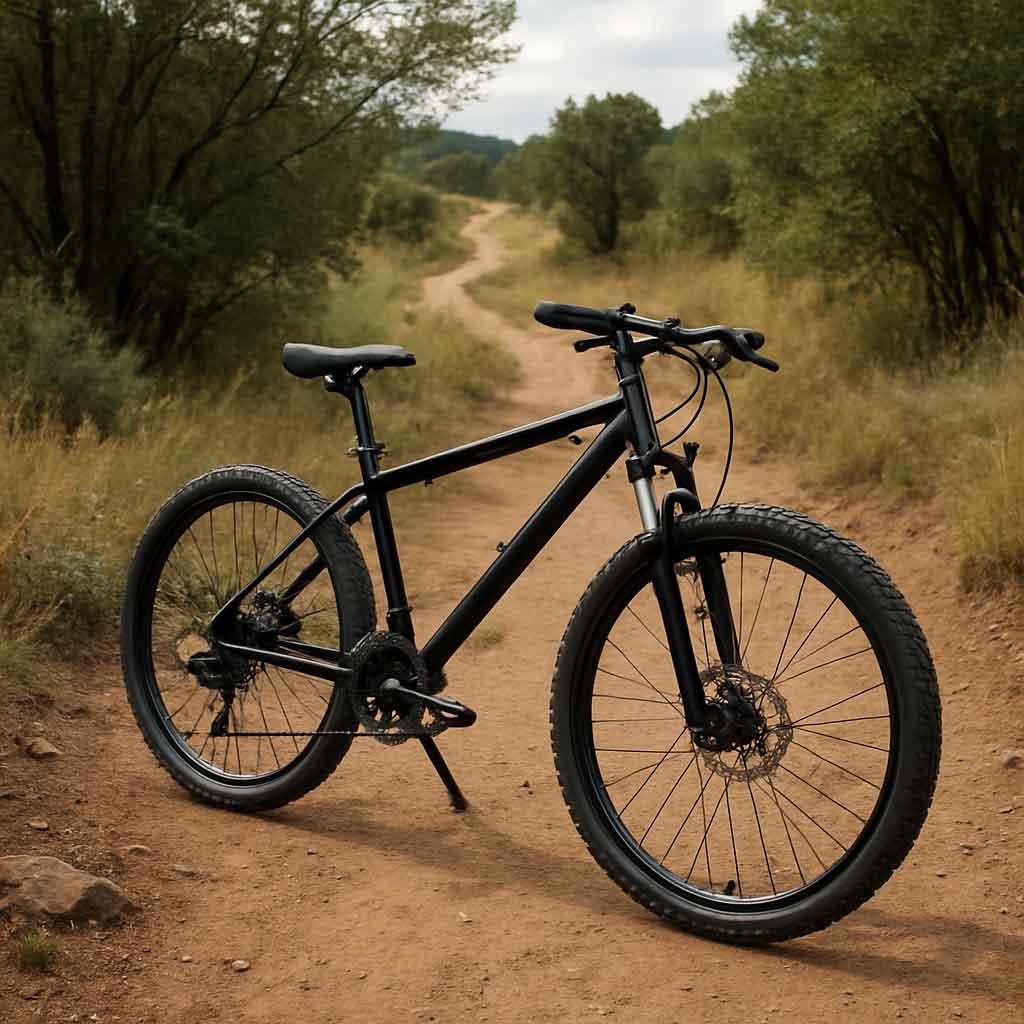
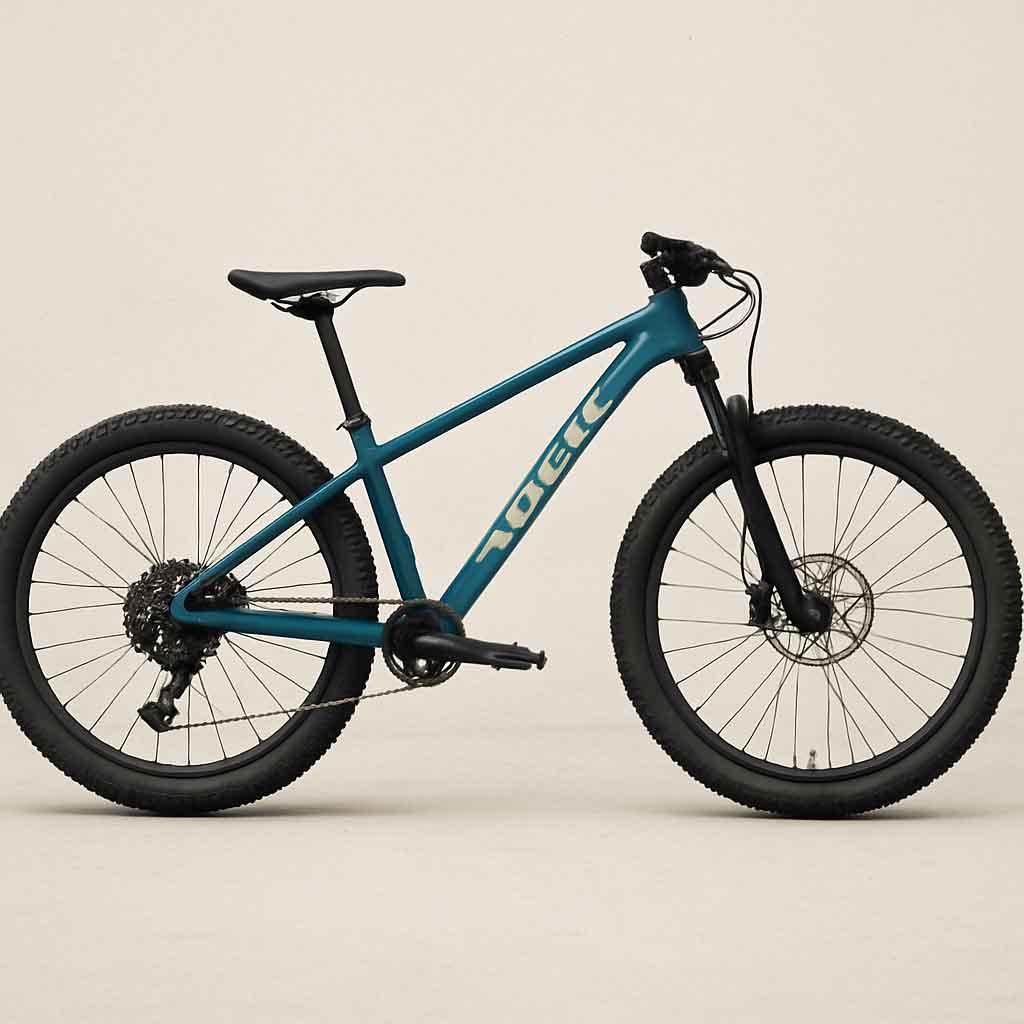
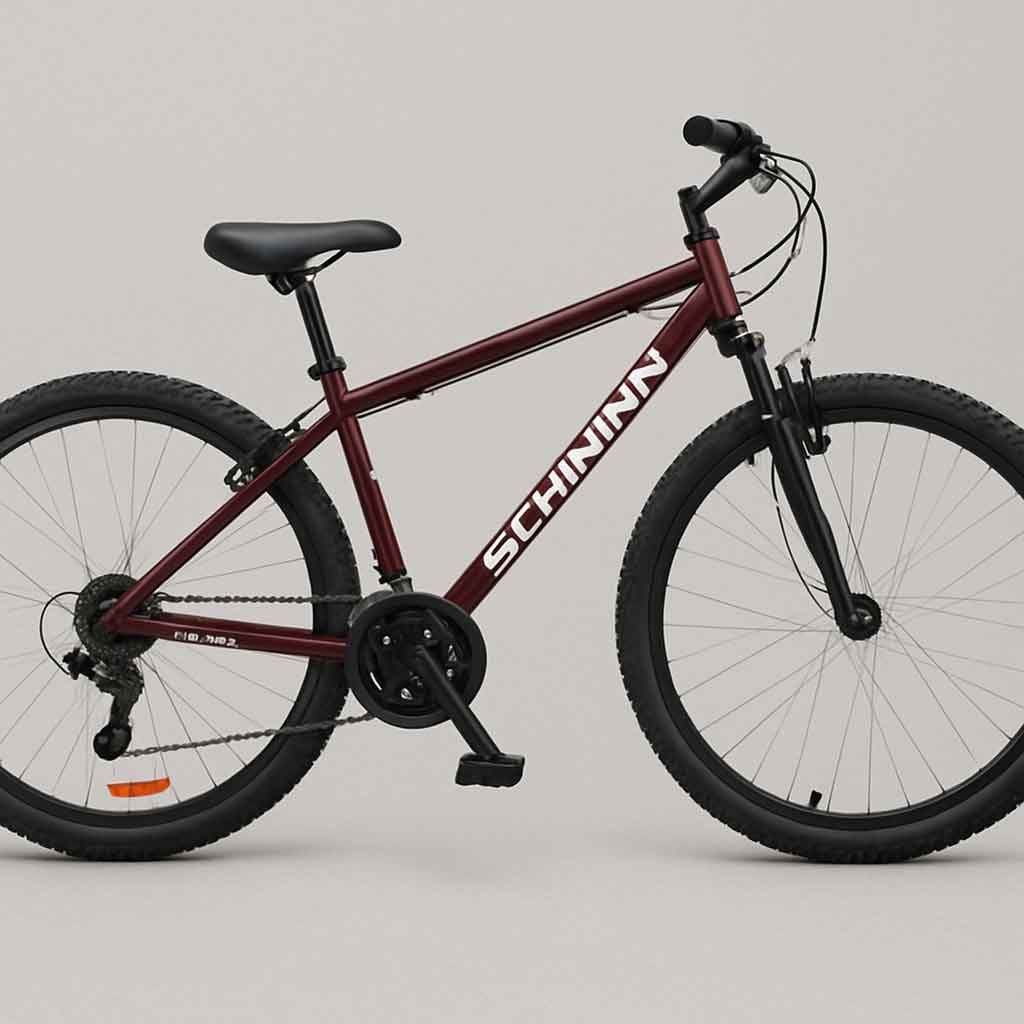
- Mountain Disc Frames: Built to withstand rough terrains and provide stability. They are typically heavier and more robust compared to road frames.
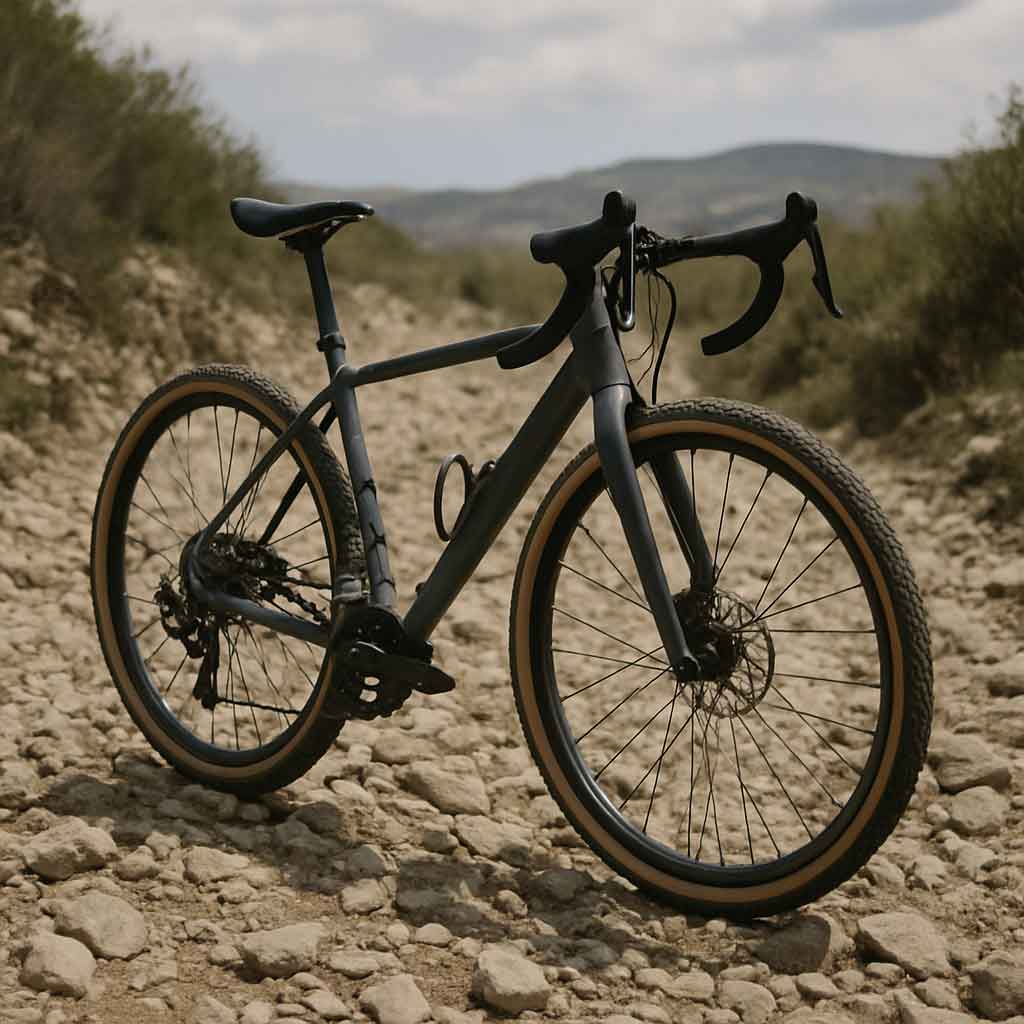
- Gravel/Cyclocross Disc Frames: These frames strike a balance between road and mountain frames. They offer durability for off-road adventures while maintaining a design that supports speed on smooth surfaces.
Key Features to Consider
When selecting a disc frame, there are several key features to keep in mind to ensure it matches your cycling style and needs.
Material
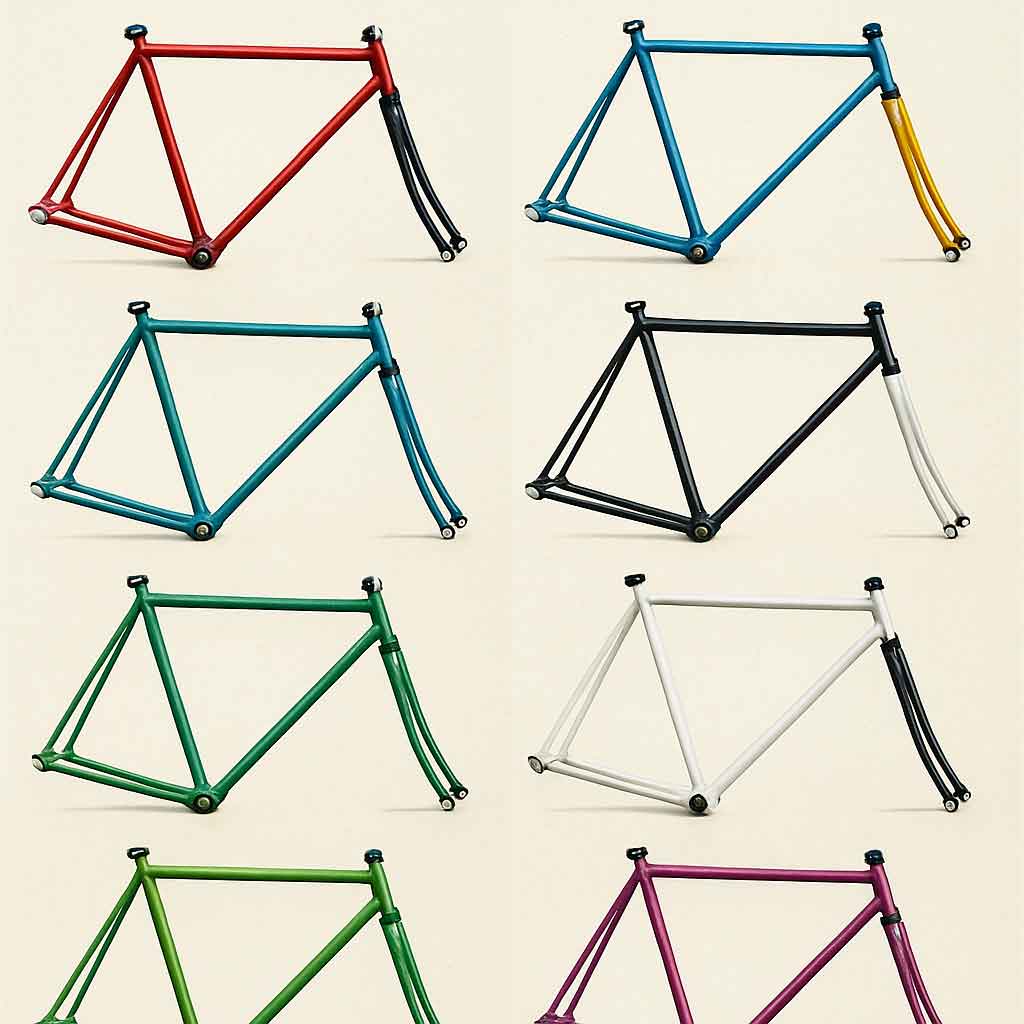
The material of your disc frame affects its weight, durability, and ride quality. Here are the most common materials used:
- Aluminum: Known for being lightweight and affordable. It offers a good balance of performance and value.
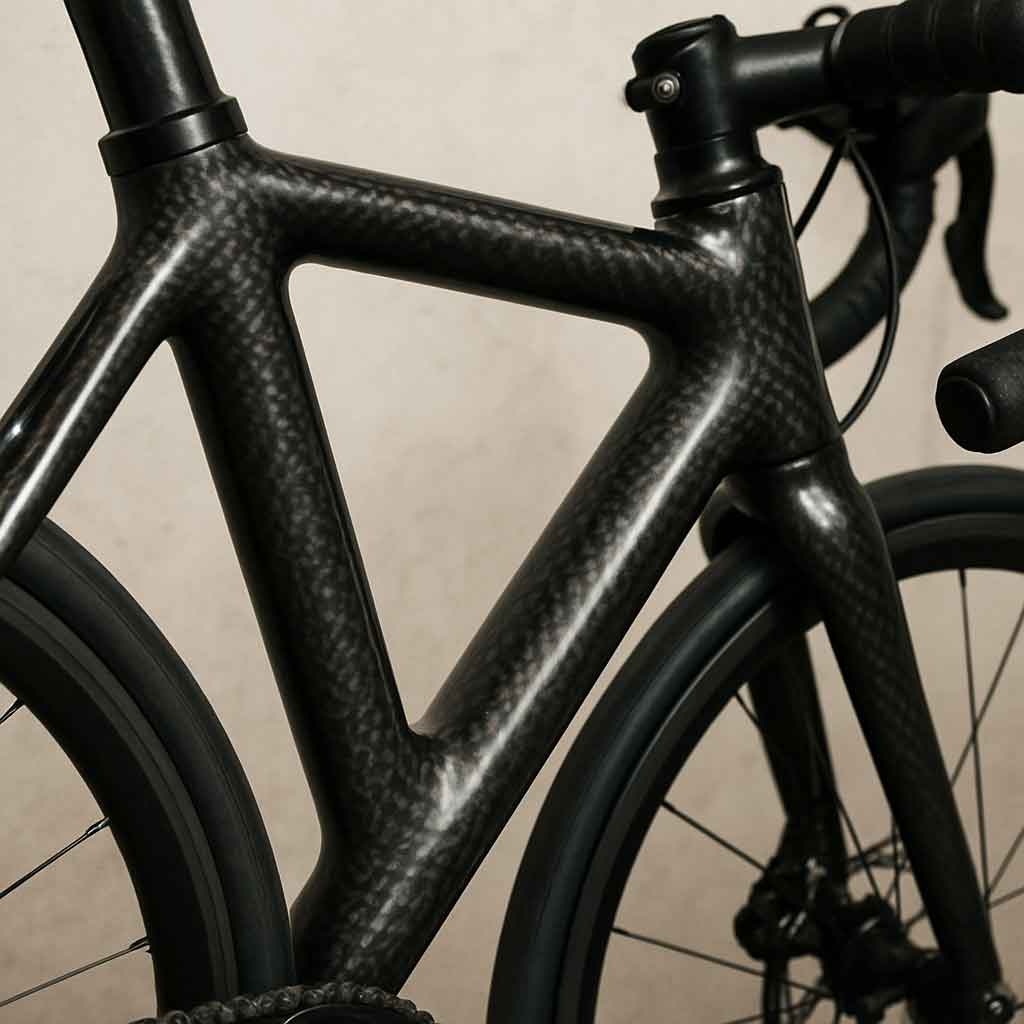
- Carbon Fiber: Popular for its excellent strength-to-weight ratio. It absorbs road vibrations well, providing a smoother ride.
- Steel: Renowned for its durability and comfort. Although heavier, steel frames are known for their longevity.
- Titanium: Offers a combination of lightweight, strength, and comfort. It's more expensive but provides a premium ride quality.
Geometry
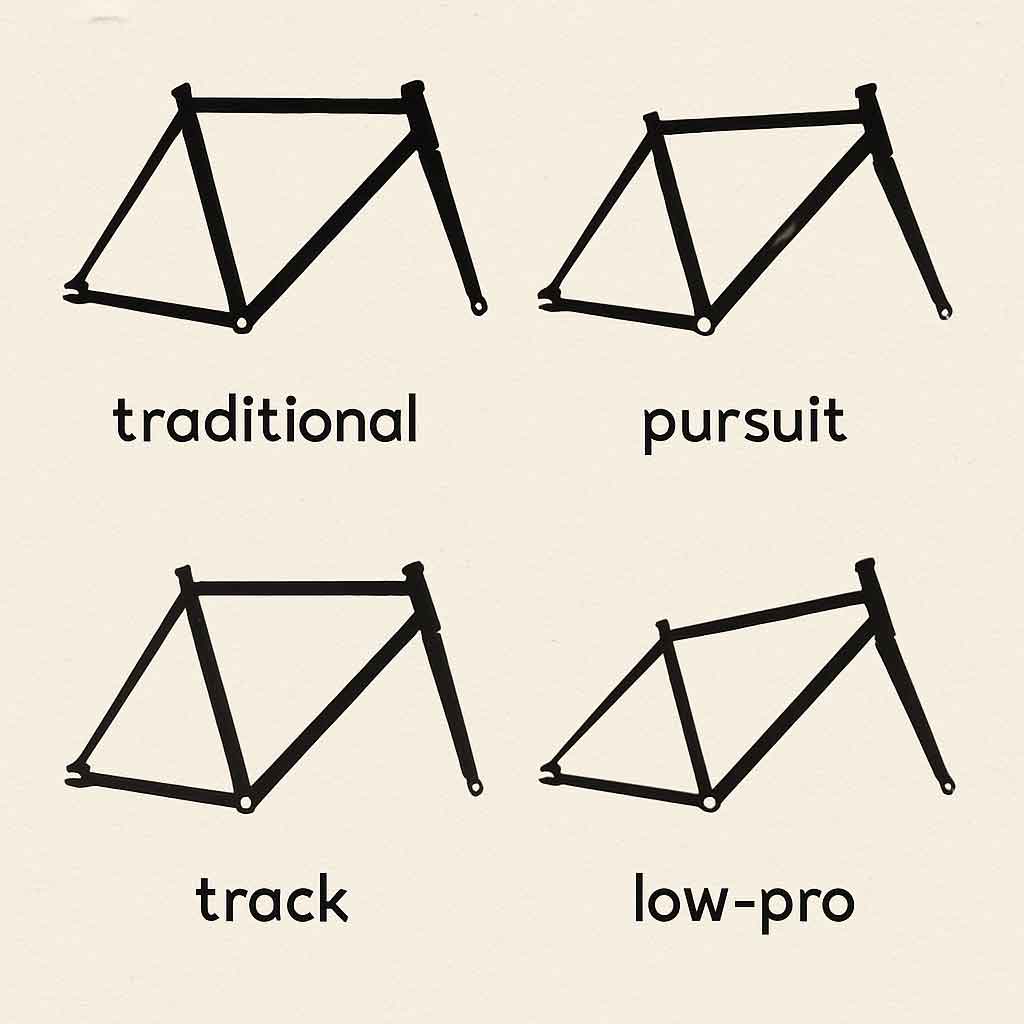
The geometry of a disc frame determines how a bike handles and fits the rider. Consider the following aspects:
- Top Tube Length: Influences reach and comfort. A longer top tube is ideal for aggressive riding, while a shorter one suits a relaxed posture.
- Head Tube Angle: Affects steering responsiveness. Steeper angles provide quicker handling, whereas slacker angles offer stability.
- Chainstay Length: Impacts ride stability and agility. Shorter chainstays enhance nimbleness, while longer ones improve stability.
Brake Compatibility
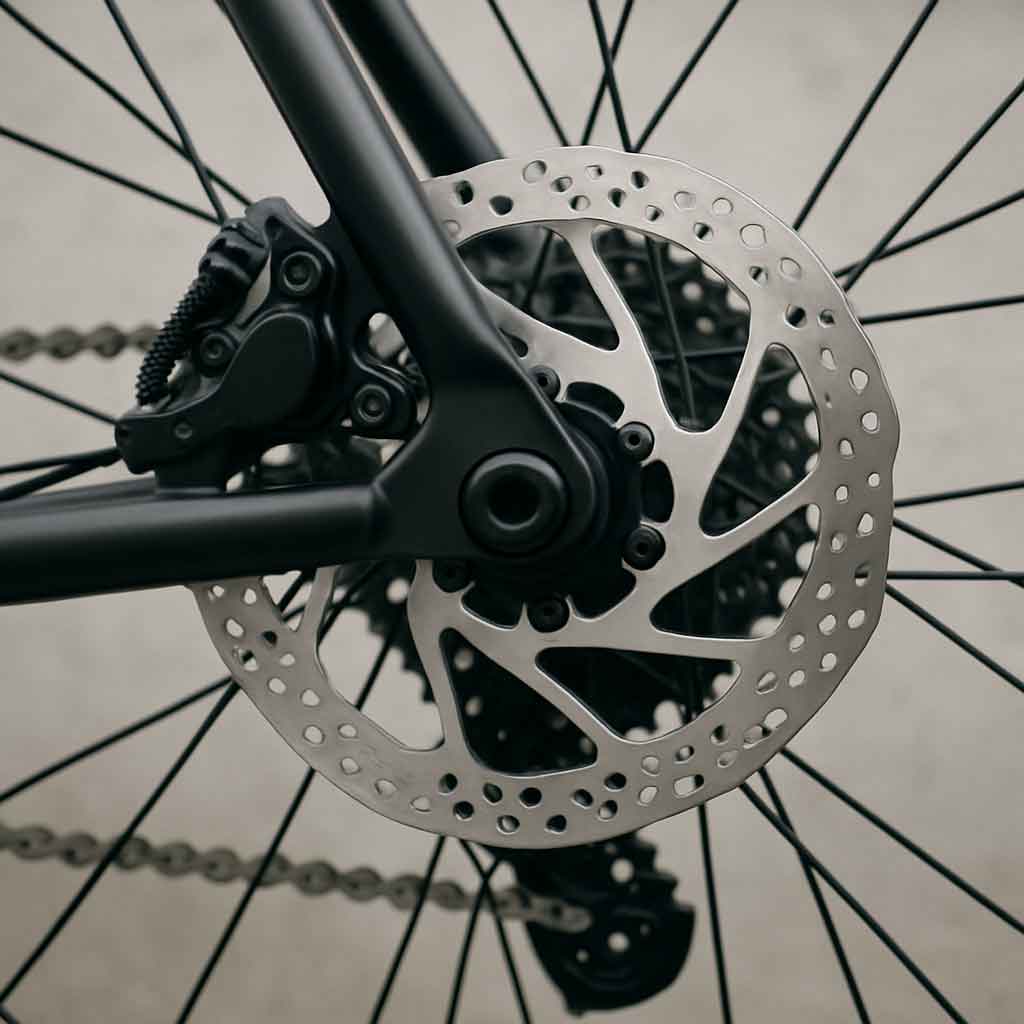
Ensure that the disc frame you choose is compatible with the type of disc brakes you plan to use. Common options include:
- Mechanical Disc Brakes: Easier to maintain and adjust. They use a cable to actuate the brake.
- Hydraulic Disc Brakes: Offer superior stopping power and modulation. They use fluid to transfer the force to the brake.
Fitting and Sizing
A crucial step in selecting the right disc frame is ensuring it fits you properly. A well-fitted bike not only enhances performance but also prevents injuries.
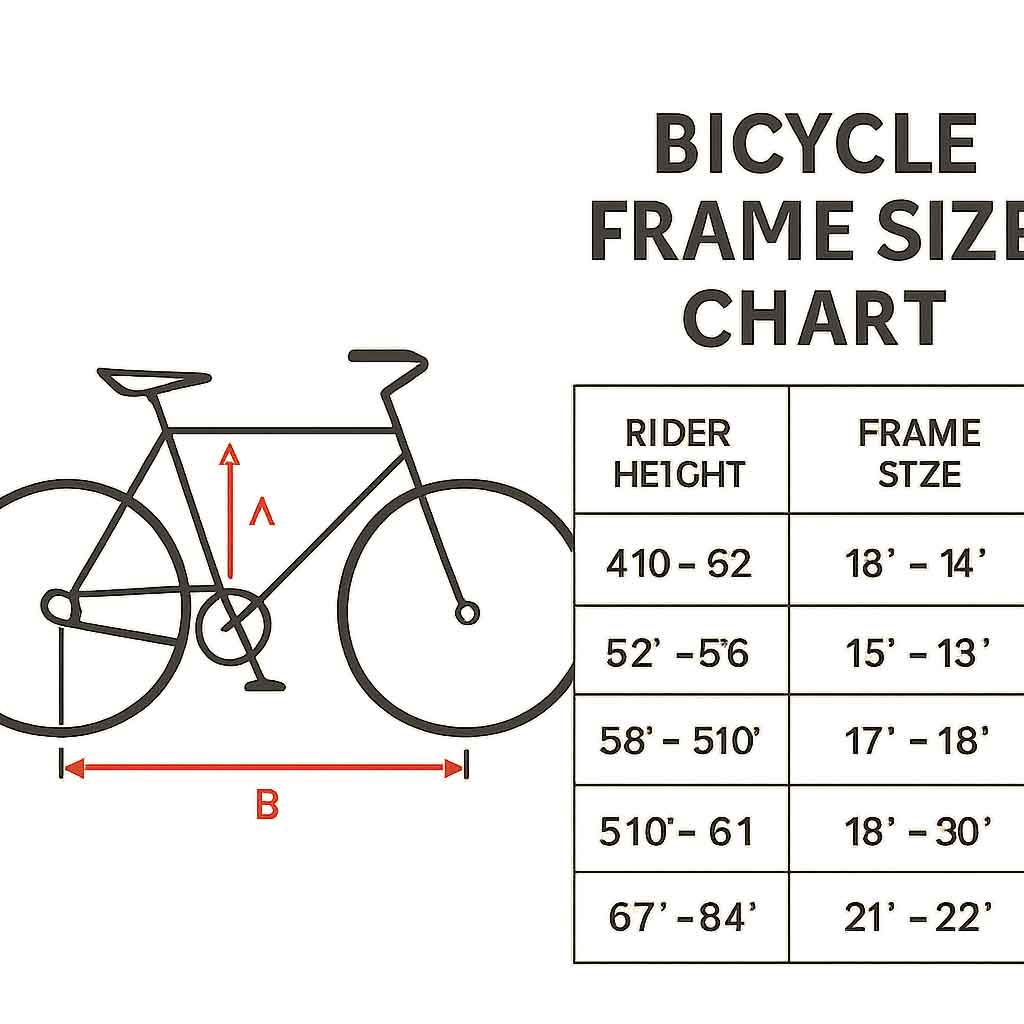
Sizing Guide
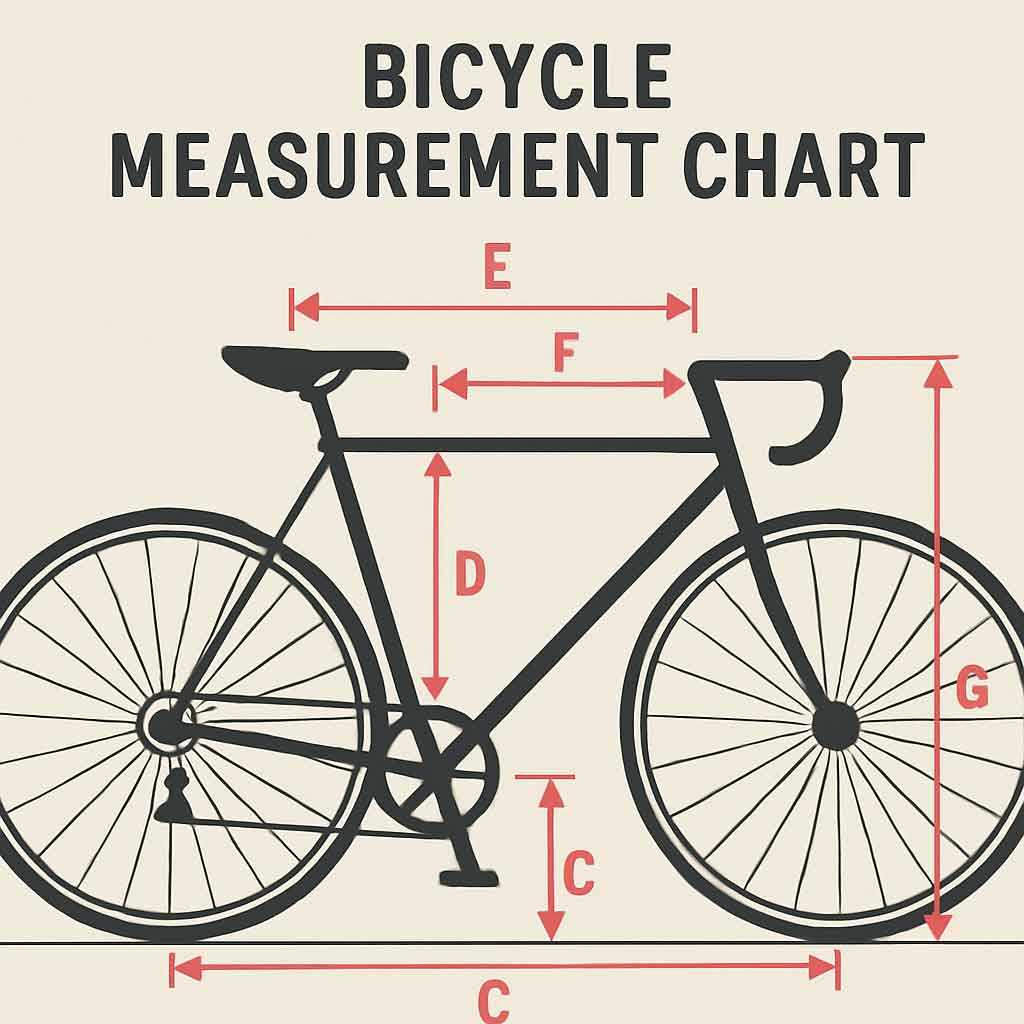
Most manufacturers provide a sizing chart based on height and inseam measurements. It's essential to refer to these charts to determine the correct frame size for you. However, personal comfort and riding style should also play a role in your decision.
Professional Fitting
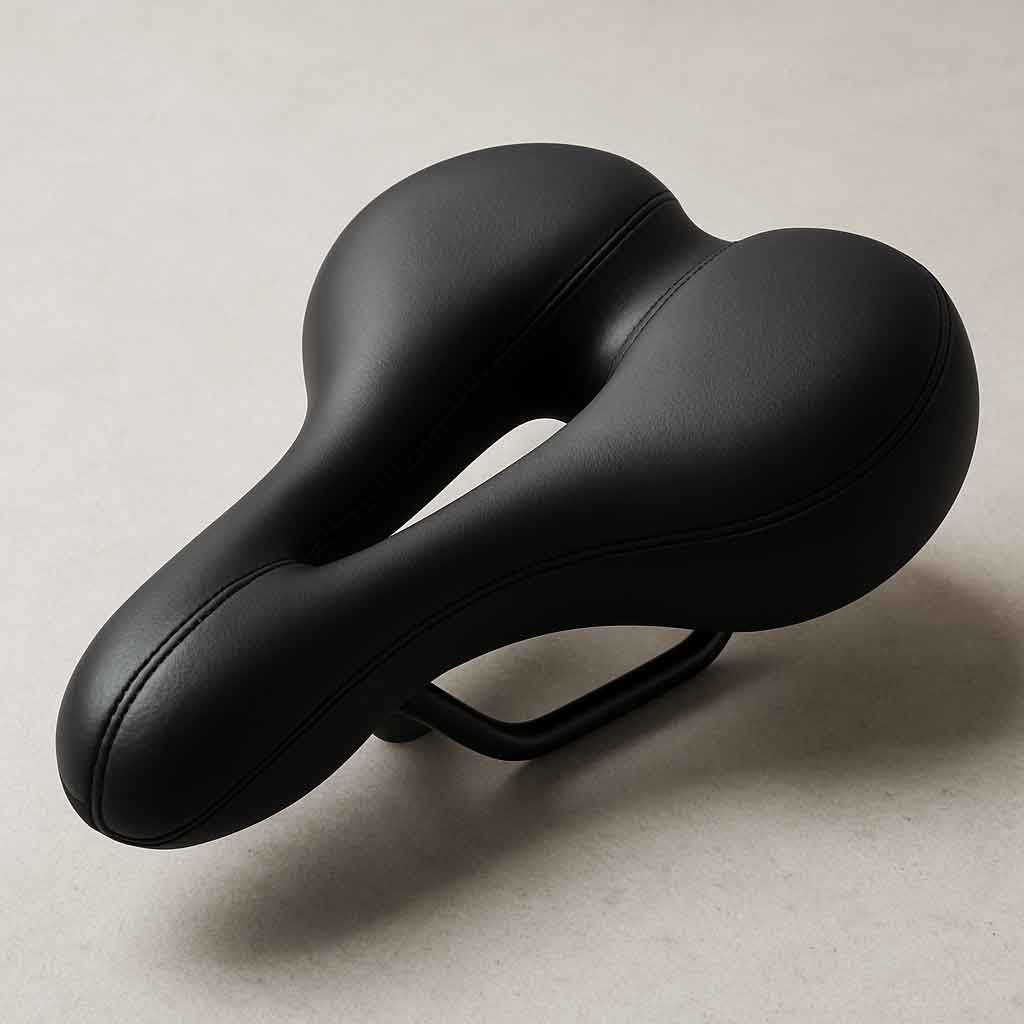
For the best fit, consider getting a professional bike fitting. A bike fitter can make precise adjustments to your frame, saddle, and handlebars to suit your unique body proportions and cycling goals.
Budget Considerations
Disc frames come in a wide range of prices, so it's essential to set a budget before making a purchase. Here's a rough breakdown of what you might expect:
- Entry-Level Frames: Typically made of aluminum or lower-grade carbon, suitable for beginners or casual riders.
- Mid-Range Frames: Often constructed from high-quality aluminum or carbon, offering a balance of performance and price.
- High-End Frames: Made from premium materials like top-grade carbon or titanium, designed for enthusiasts seeking top-notch performance.
Making Your Decision

by Erik Mclean (https://unsplash.com/@introspectivedsgn)
Choosing the right disc frame is a personal decision that depends on your cycling needs, preferences, and budget. Here are some final tips to guide you:
- Test Ride: If possible, test ride several bikes with different frames to get a feel for what suits you best.
- Research and Reviews: Read online reviews and seek recommendations from fellow cyclists to gain insights into various frame options.
- Consult Experts: Don’t hesitate to visit local bike shops and consult with experts who can provide valuable advice based on your requirements.
Conclusion
Selecting the right disc frame is an investment in your cycling journey. By considering the type of riding you do, the frame's features, and your budget, you can find a disc frame that enhances your cycling experience. Remember, the best frame is the one that feels right for you and meets your cycling goals. Happy riding!