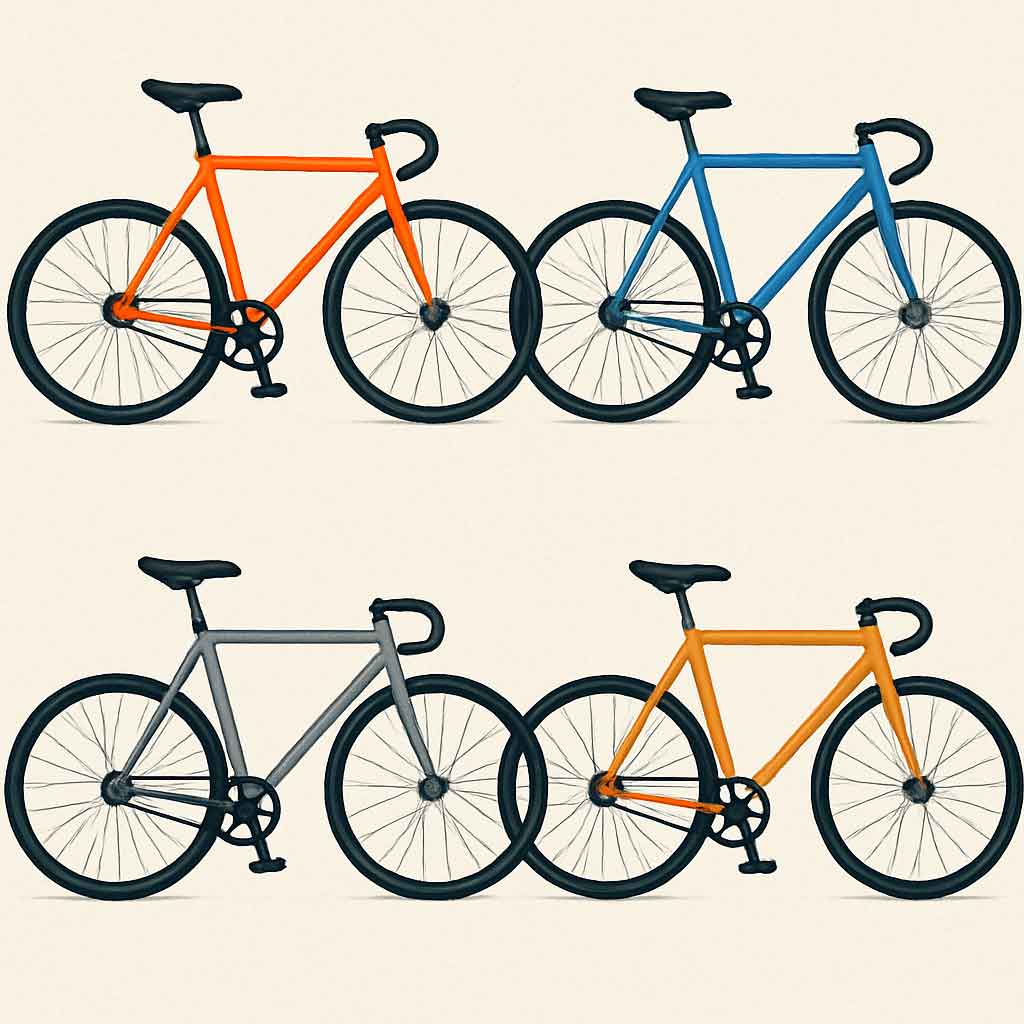
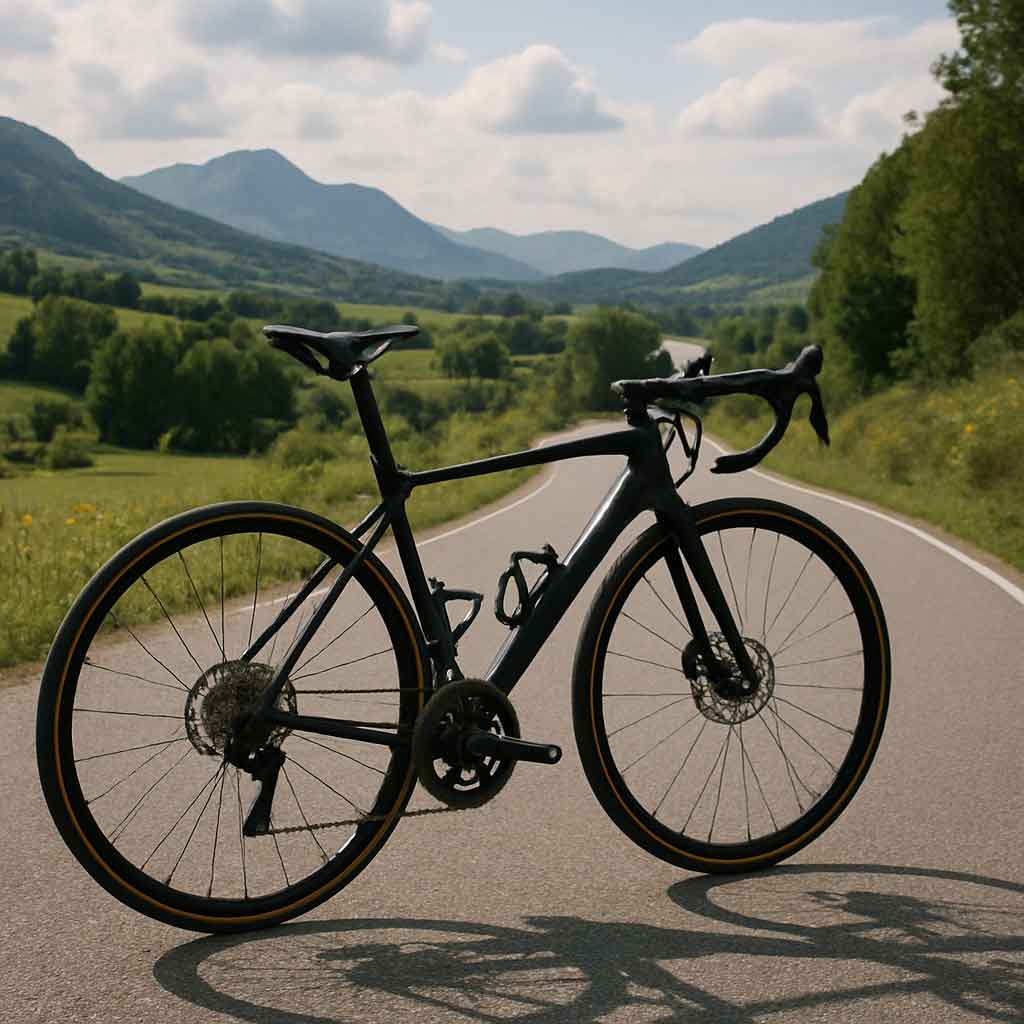
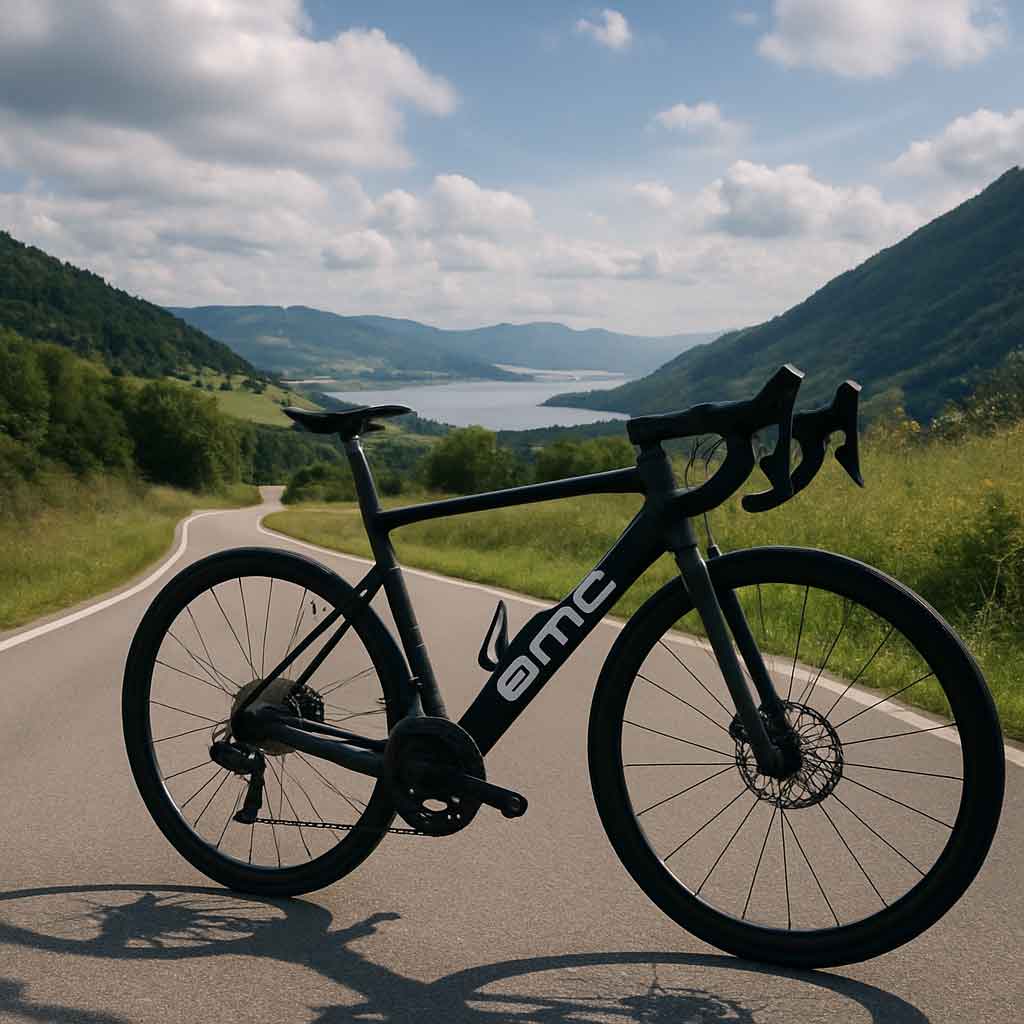
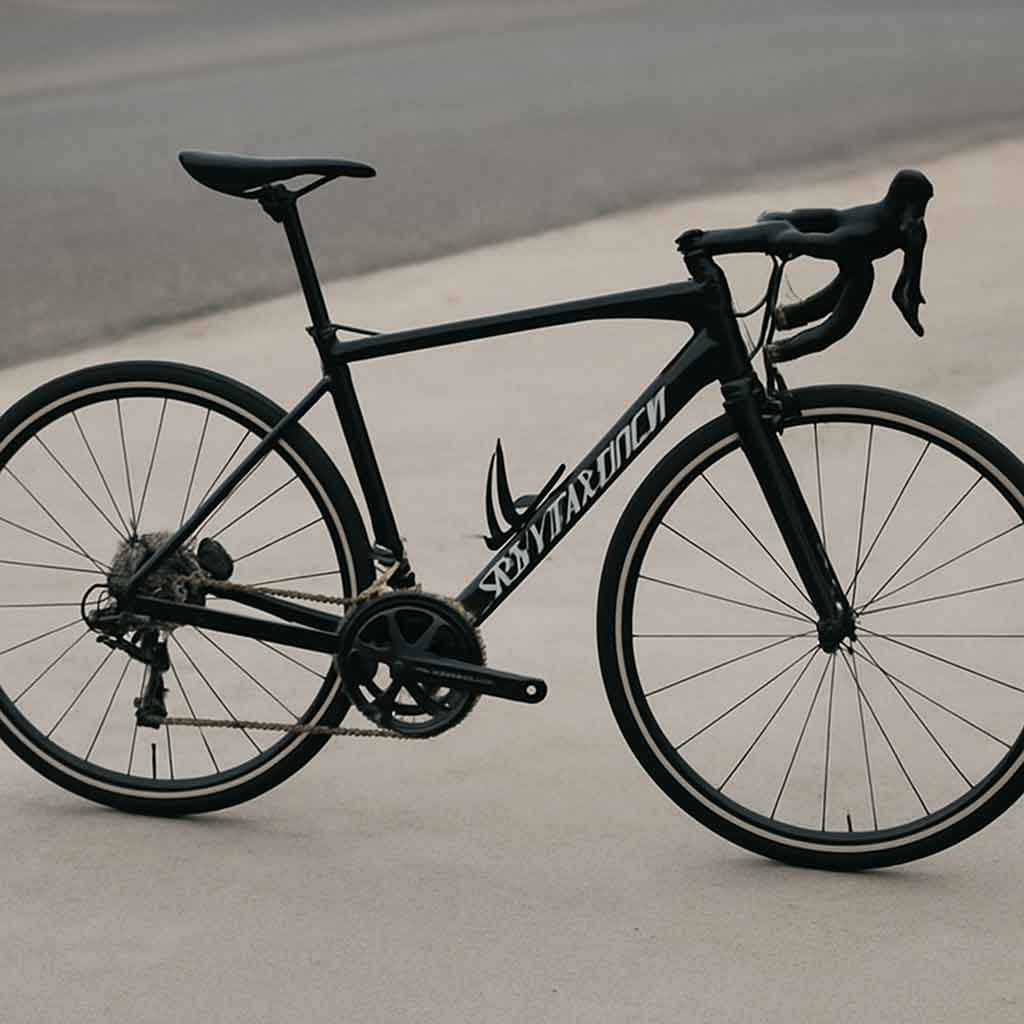
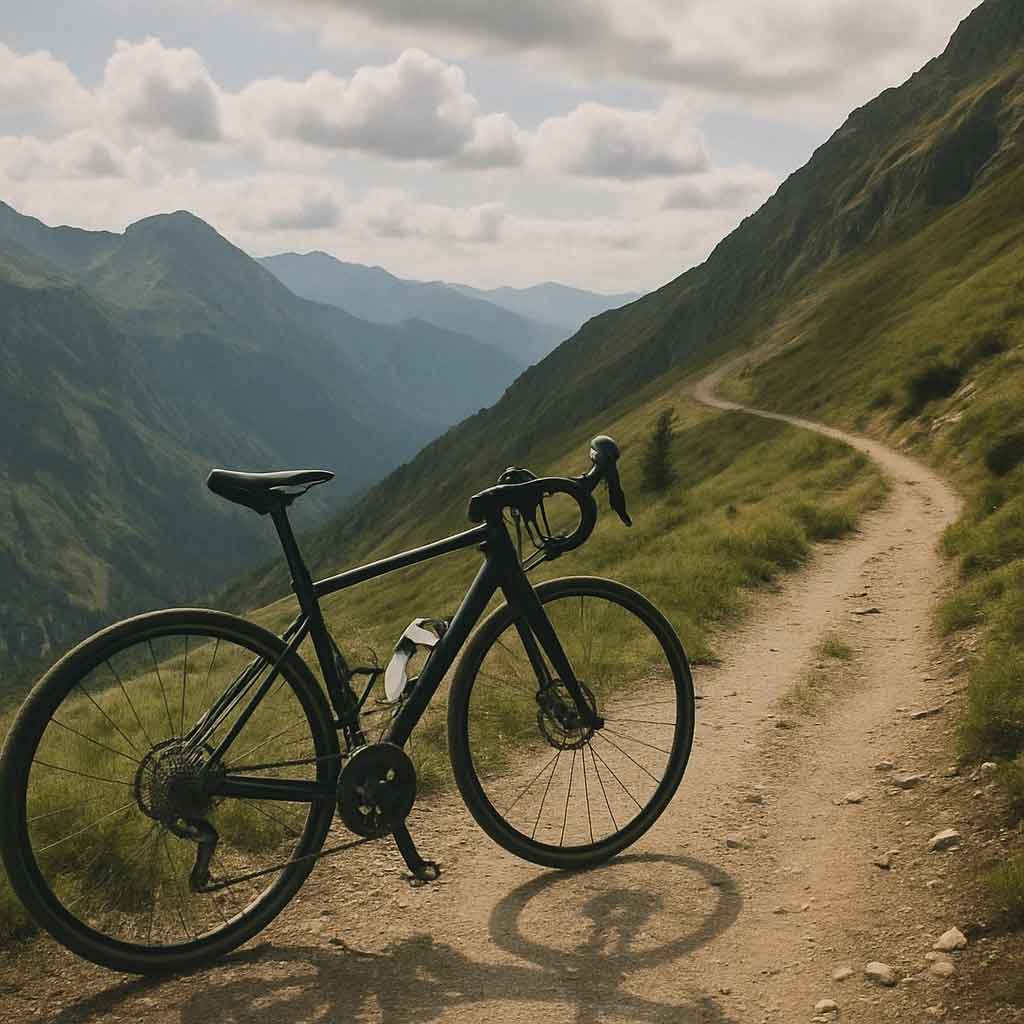
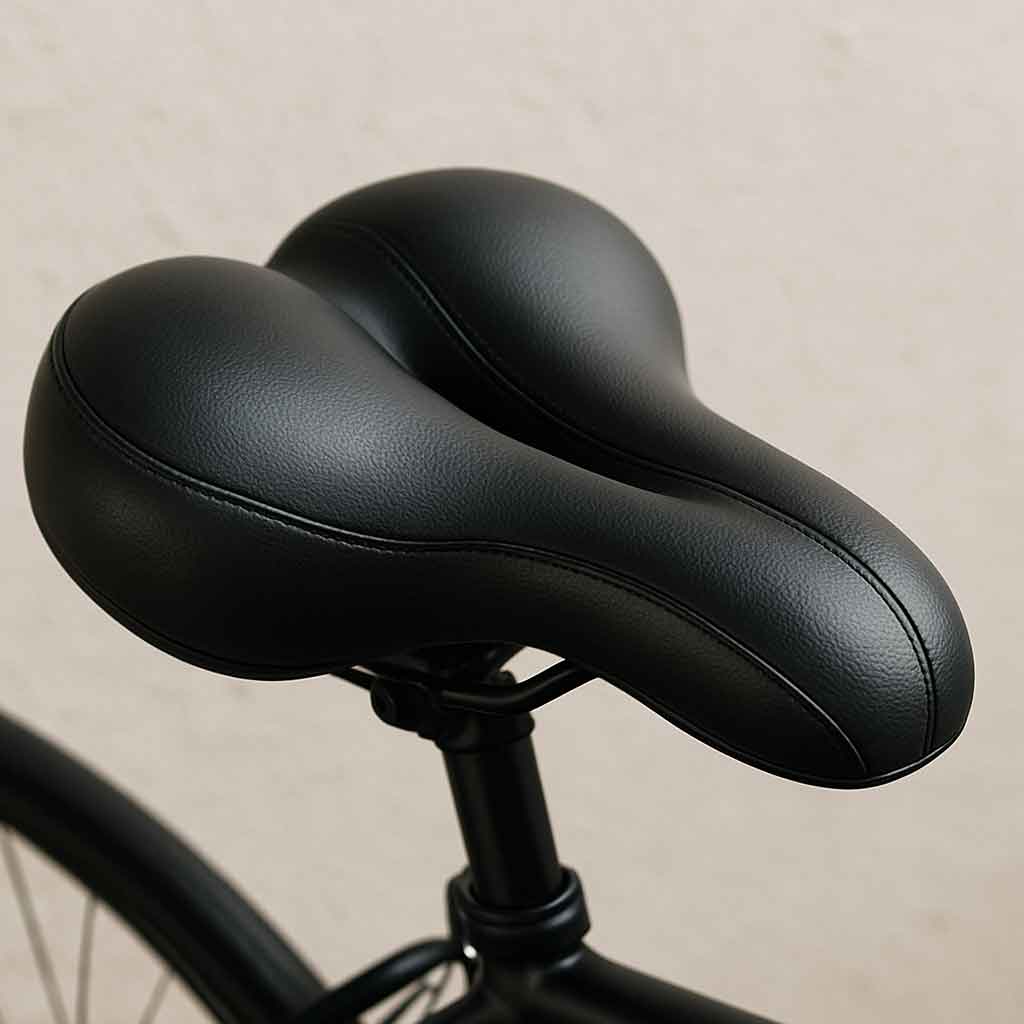
Maintaining your fixie frame is essential to ensure a smooth and safe ride every time you hit the road. Whether you're using a carbon fixed gear frame or a more traditional steel option, regular maintenance can extend the life of your bike and enhance your overall cycling experience. In this article, we'll delve into practical tips for keeping your fixie frame in top condition, making sure your single speed bike frame is always ready for action.
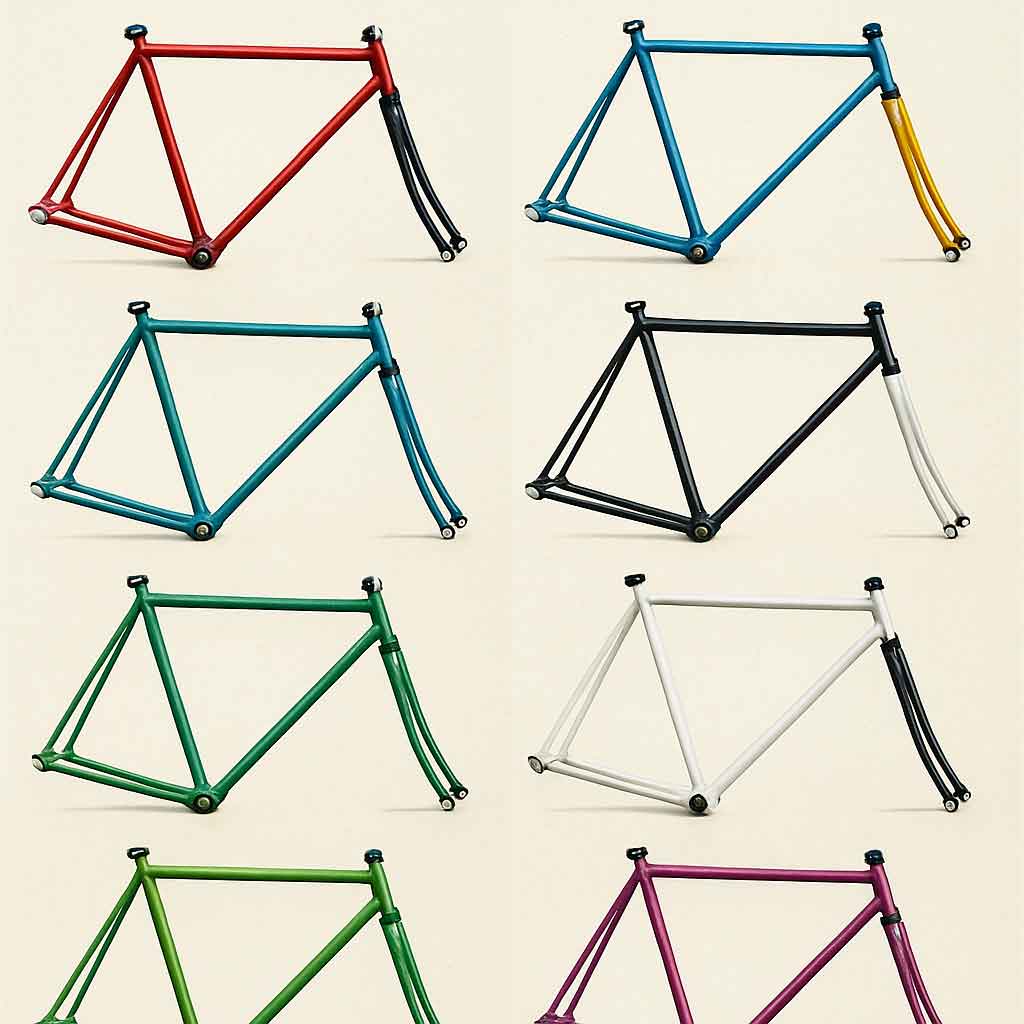
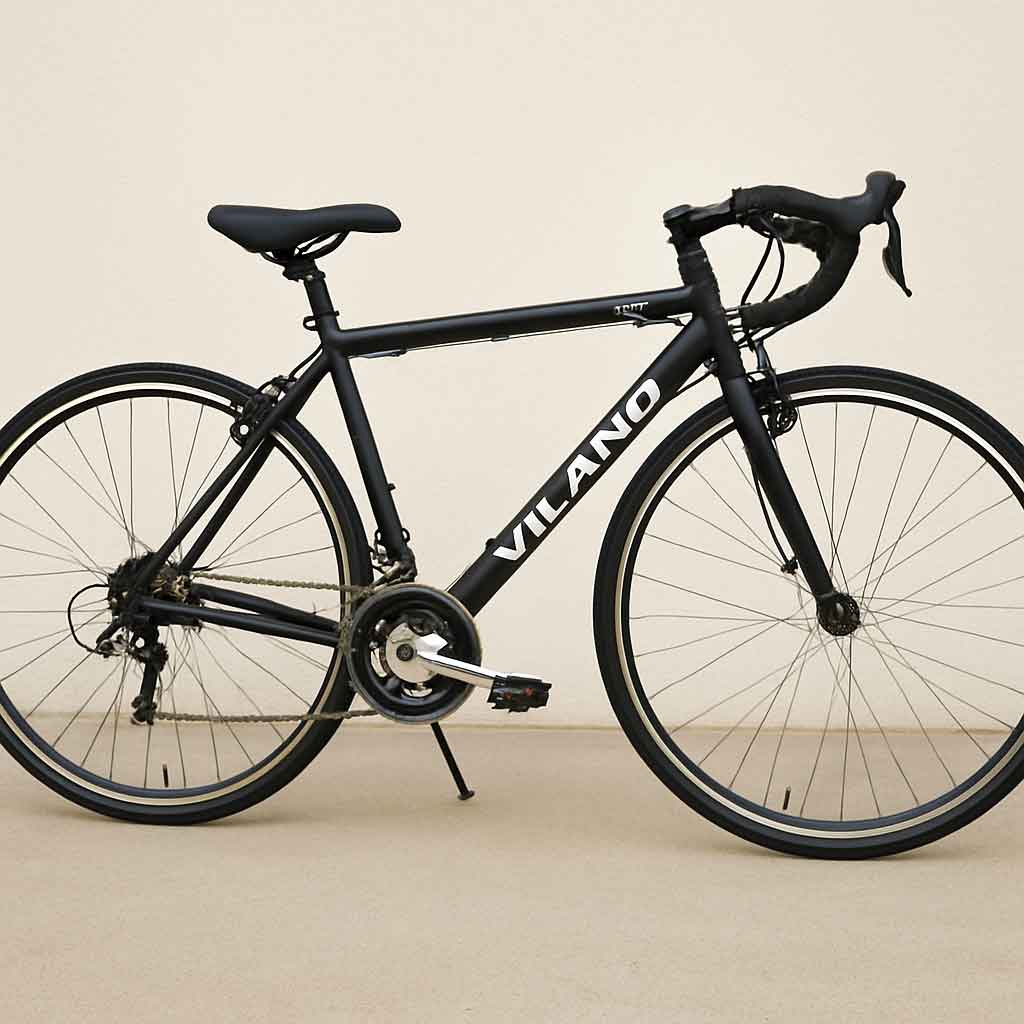
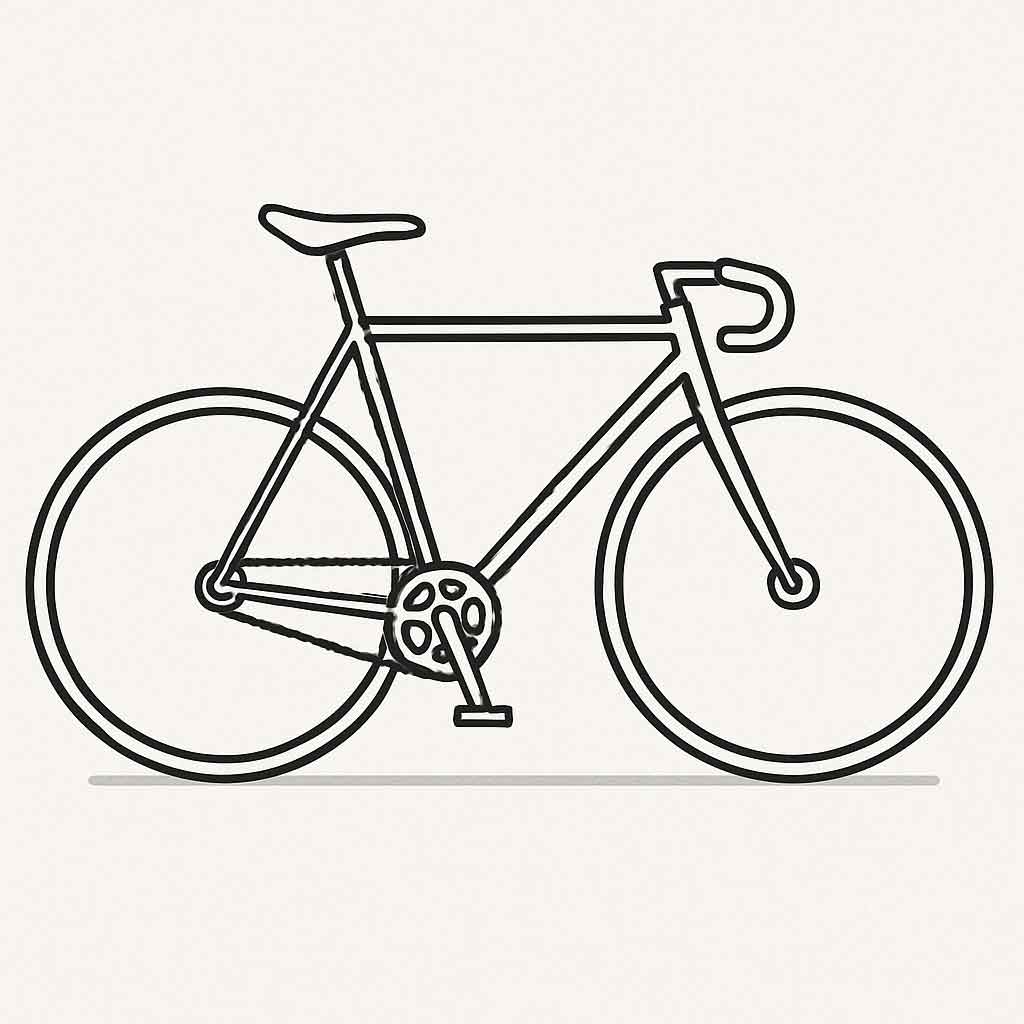
Before diving into maintenance tips, it's crucial to understand the components of your fixie frame. A fixie, or fixed gear bike, is characterized by its simplicity, typically featuring a single gear without the ability to coast. This simplicity means fewer parts to maintain, but each component plays a vital role in the bike's performance.
Types of Fixie Frames
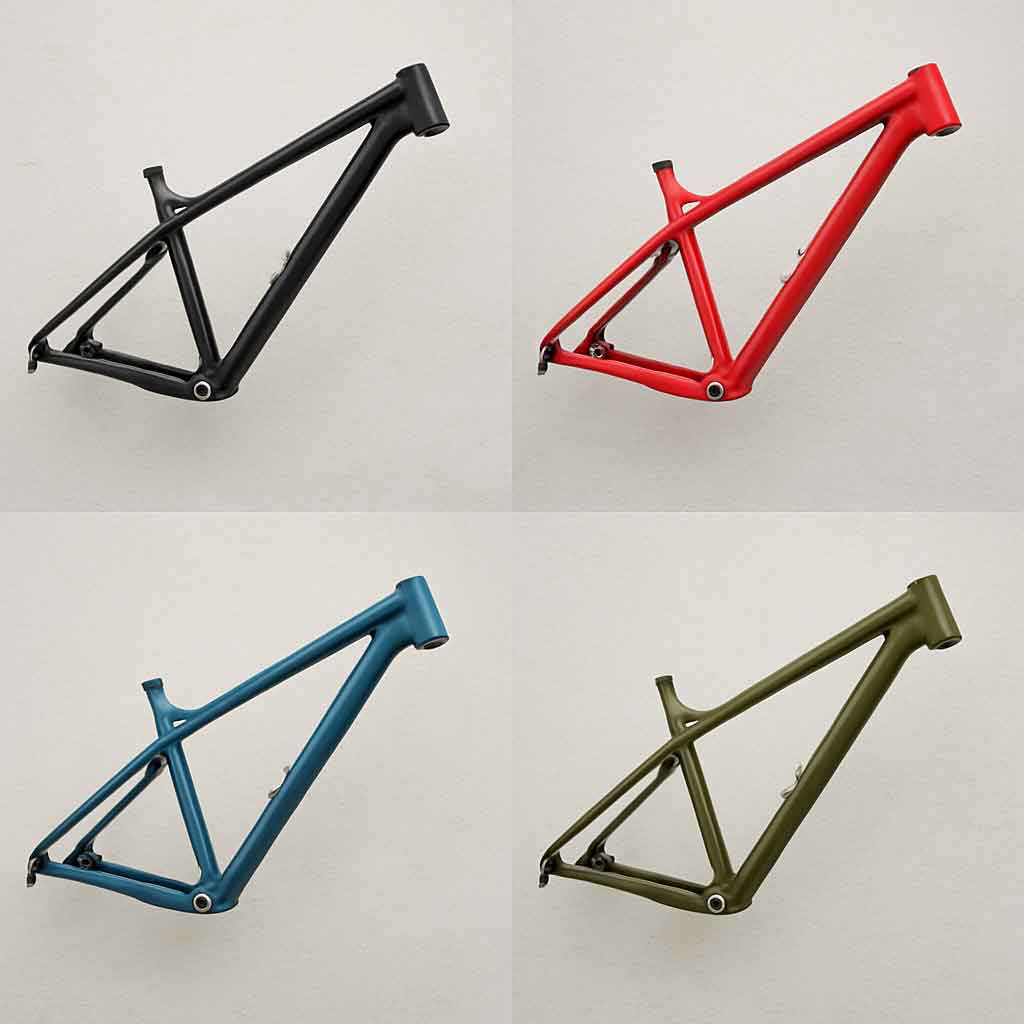
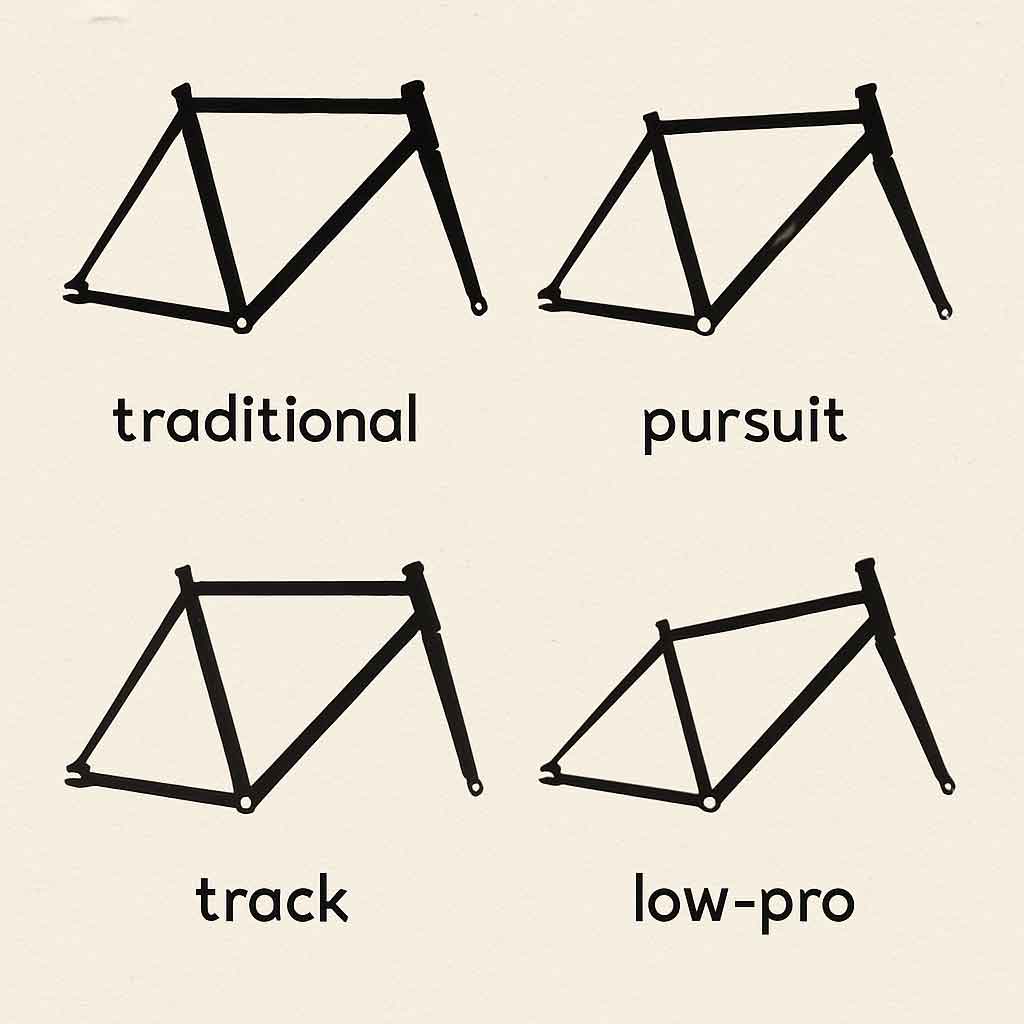
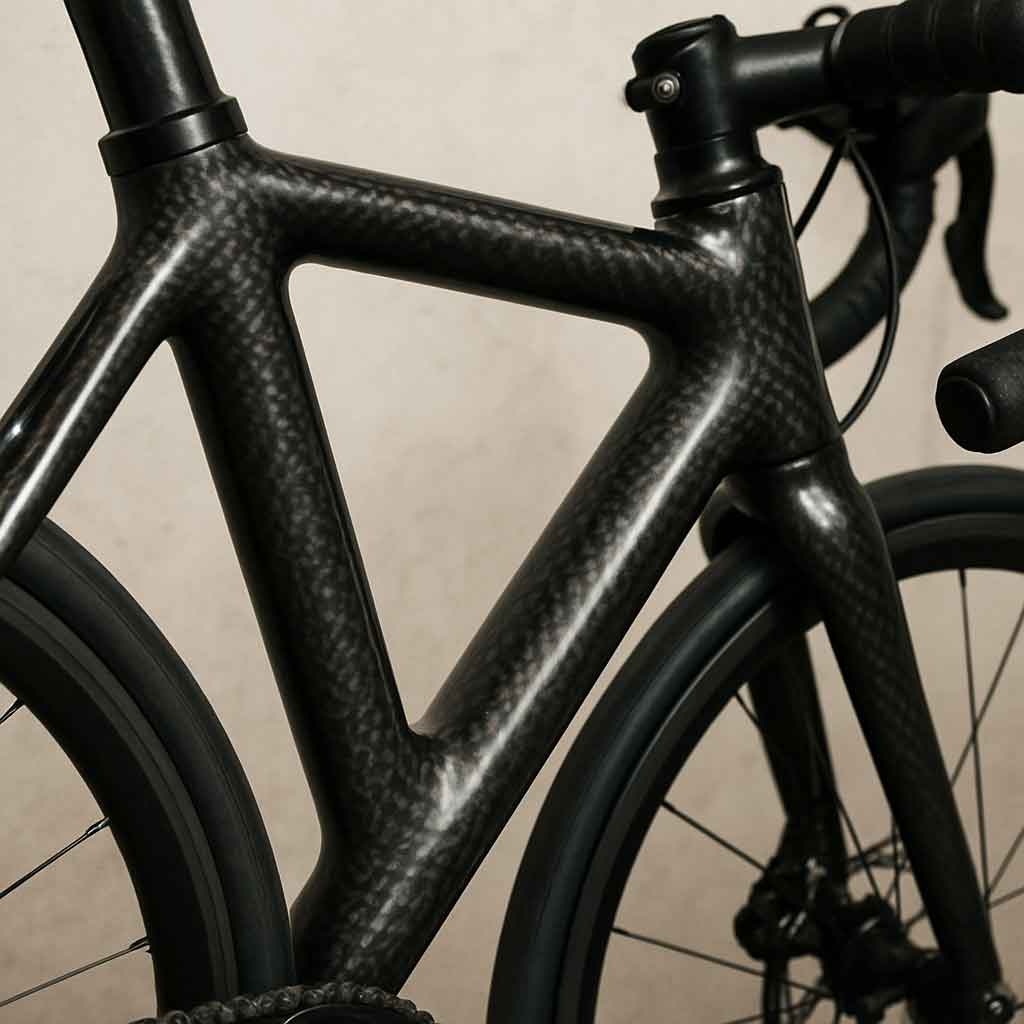
When it comes to fixie frames, options range from sturdy steel to lightweight carbon fixie frames. Each material offers different benefits:
- Steel Frames: Known for durability and a classic feel, steel frames are often more affordable and easier to repair.
- Aluminum Frames: Lightweight and resistant to rust, making them a popular choice for speed enthusiasts.
- Carbon Frames: These frames are exceptionally light and provide a smooth ride, although they can be more expensive and require careful handling.
Regular Cleaning and Inspection
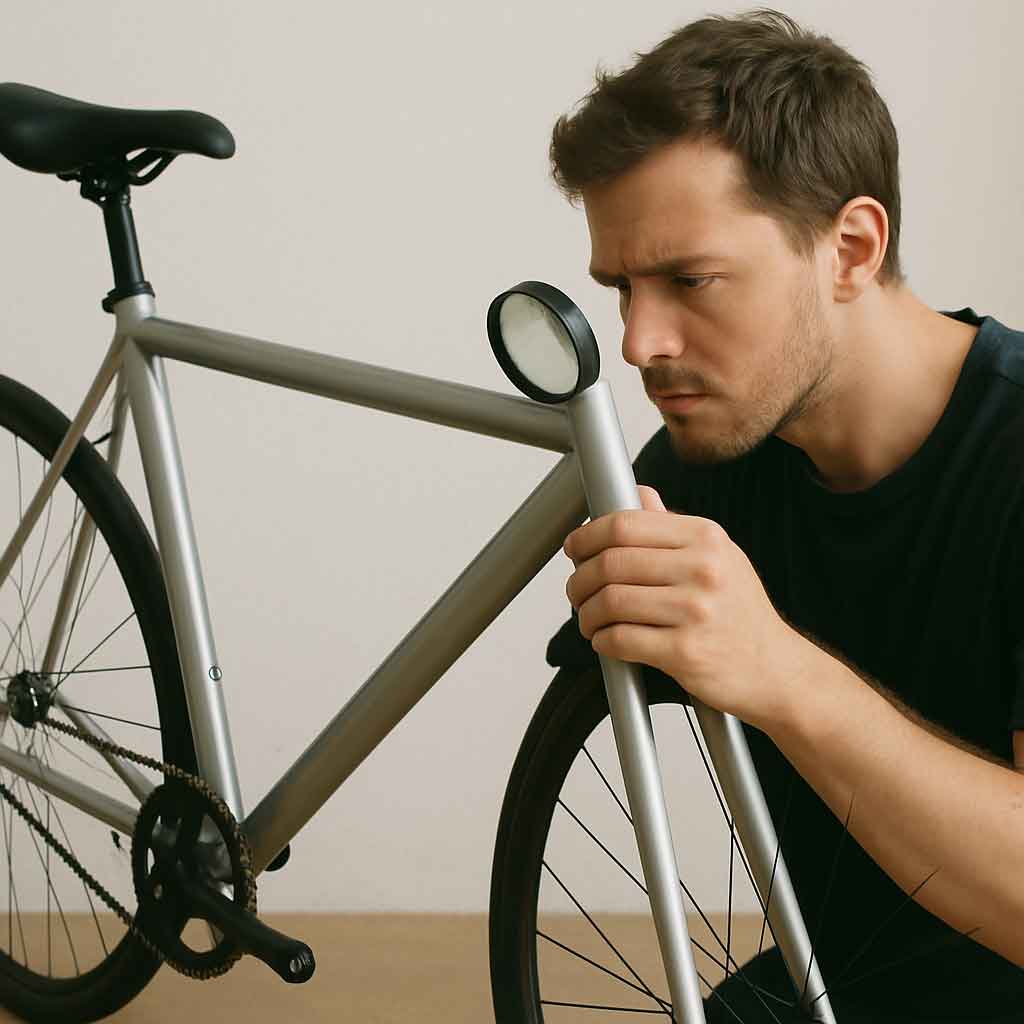
Routine cleaning and inspection are fundamental to maintaining any fixed gear frame. Dirt and grime can accumulate over time, leading to rust and corrosion, particularly on frames made from steel. Here's how to keep your frame clean:
- Wipe Down After Rides: Use a damp cloth to remove dirt and moisture after each ride, especially if you've been riding in wet conditions.
- Deep Clean Monthly: Use a gentle bike-specific cleaner to remove stubborn dirt. Avoid harsh chemicals that could damage the frame's finish.
- Inspect for Damage: Regularly check for cracks, dents, or signs of wear, particularly around the joints and welds. Early detection of potential issues can prevent costly repairs.
Bolts and Tightening
A fixie frame's simplicity doesn't mean it's maintenance-free. Regularly checking bolts and other fasteners ensures your bike stays in one piece. Loose bolts can lead to dangerous situations, so here's what to do:
- Check Tightness: Regularly inspect all bolts, including those on the handlebars, seat post, and wheels. Use the appropriate torque settings to avoid over-tightening, which can damage the frame.
- Grease Bolts: Apply a small amount of grease to bolts to prevent rust and make future adjustments easier.
Wheel Alignment and Tension
Your fixed wheel bike frames rely heavily on proper wheel alignment and tension to deliver a smooth ride. Misaligned wheels can affect handling and cause uneven tire wear.
Aligning Your Wheels
- Check for Wobbles: Spin each wheel and observe from above. If you notice side-to-side movement, your wheel may need truing.
- Adjust Spokes: Use a spoke wrench to adjust tension, ensuring the wheel spins straight. If you're unsure, it's wise to have a professional handle this task.
Tensioning the Chain
A properly tensioned chain is critical for a fixie's performance. Too tight, and you'll stress the bearings; too loose, and the chain may slip off.
- Check Tension: The chain should have about half an inch of play.
- Adjust as Needed: Loosen the rear wheel nuts, adjust the wheel position, and retighten. Ensure the wheel remains aligned with the frame.
Lubrication
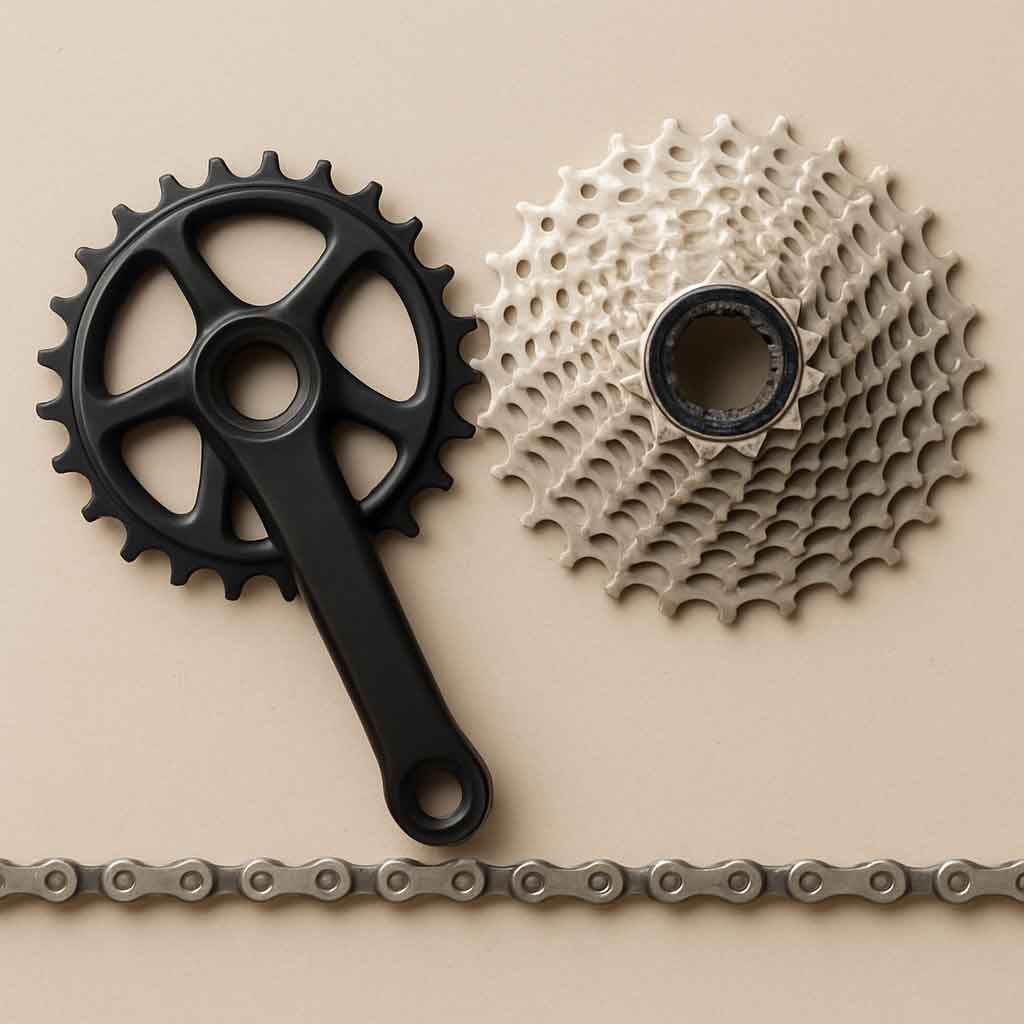
by Bence Rubányi (https://unsplash.com/@rubibence)
Lubrication is a key aspect of fixie maintenance, essential for both the chain and other moving parts. Proper lubrication reduces friction, prevents rust, and ensures a quieter ride.
- Chain Lubrication: Apply a bike-specific lubricant to the chain, wiping away excess to prevent dirt accumulation. Reapply after cleaning or riding in wet conditions.
- Component Lubrication: Periodically lubricate the pedals, headset, and other moving parts to keep them functioning smoothly.
Storage Tips
Proper storage can significantly affect the longevity of your fixie frame. Exposure to the elements can cause rust, particularly in steel frames, while temperature fluctuations might affect carbon frames.
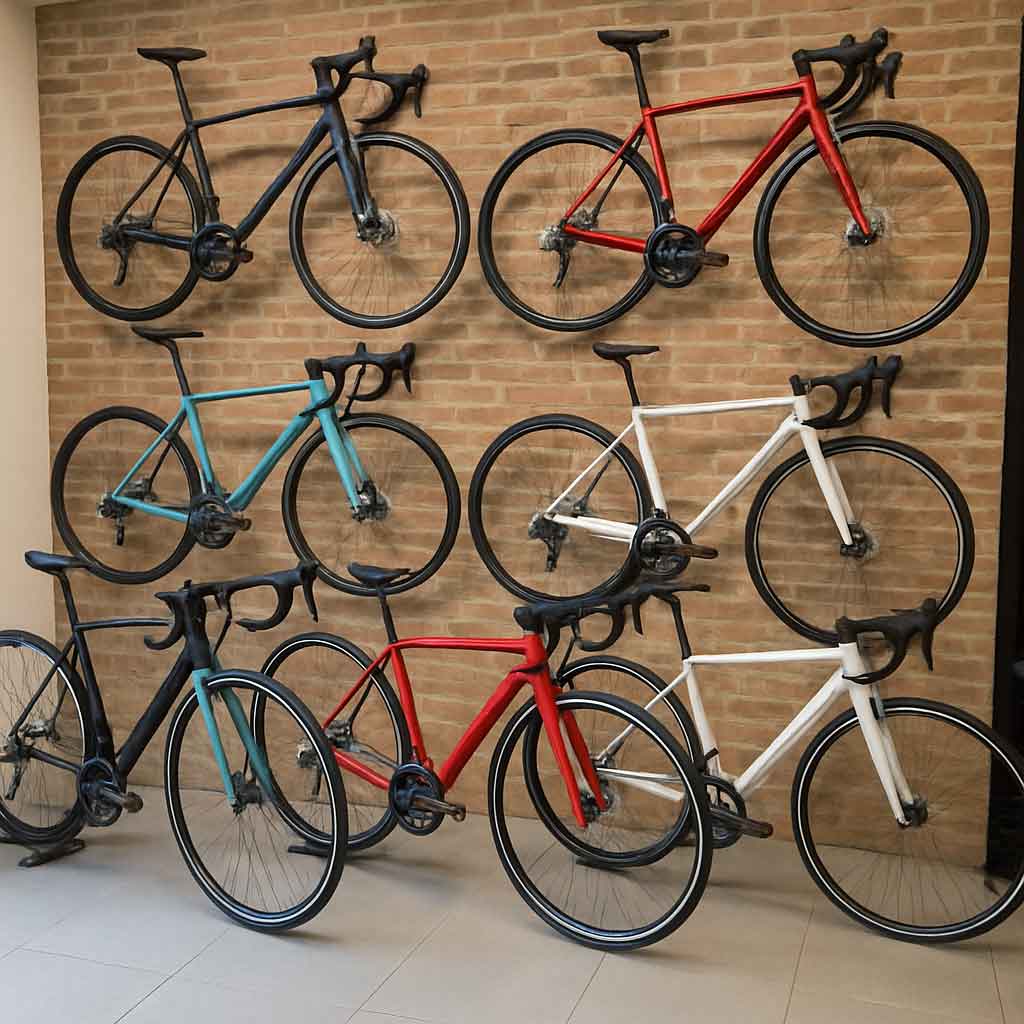
- Indoor Storage: Whenever possible, store your bike indoors to protect it from moisture and temperature extremes.
- Use a Bike Cover: If outdoor storage is unavoidable, invest in a quality bike cover to shield it from the elements.
- Avoid Direct Sunlight: Prolonged exposure to sunlight can fade paint and weaken materials over time.
When to Seek Professional Help
While many maintenance tasks can be handled at home, some situations call for expert attention:
- Cracks or Structural Damage: Never ride a frame with visible cracks or significant damage. Have it inspected and repaired by a professional.
- Complex Adjustments: Tasks like wheel truing or bottom bracket adjustments may require specialized tools and skills.
Conclusion
Maintaining your fixie frame doesn't have to be a daunting task. By incorporating these simple tips into your routine, you'll ensure your fixed gear bike is always in prime condition, ready for any adventure. Remember, a little regular maintenance can prevent major issues down the road, saving you time and money. Whether you're riding a classic steel frame or a sleek carbon fixie frame, these practices will keep your ride smooth and enjoyable for years to come.