
Fixie frames, also known as fixed gear frames, are the backbone of any fixed gear bike. They come in various materials, including steel, aluminum, carbon fiber, and titanium. Each material provides a unique riding experience and impacts the bike's performance in different ways. Selecting the right frame material is not just about aesthetic preference but also about how the bike handles, how it feels on the road, and its overall longevity.
Choosing the correct frame involves understanding how different materials affect the ride. Factors like vibration absorption, frame stiffness, and weight all play pivotal roles in how a fixie behaves under different conditions. Whether you prioritize speed, comfort, or endurance, the frame material can significantly influence these aspects. Therefore, it's crucial to align your choice with your riding goals and the typical environments you cycle in.
Steel Frames
Steel is one of the most traditional materials used for fixie frames. Known for its durability and comfort, steel frames have been a favorite among cyclists for decades. They offer a smooth ride due to their natural ability to absorb road vibrations. Steel frames are often lauded for their classic aesthetic and timeless appeal, making them a popular choice for vintage bike enthusiasts.
- Pros: Steel frames are incredibly durable and can withstand the daily wear and tear of urban cycling. They are also relatively easy to repair if damaged. Moreover, steel has a unique elasticity that provides a comfortable ride, especially on rougher terrains. This makes it an excellent choice for long-distance riders who prioritize comfort over speed.
- Cons: Steel frames tend to be heavier than other materials, which can be a disadvantage if you're looking for a lightweight bike. Additionally, while steel is robust, it is prone to rust if not properly maintained, especially in humid climates or if frequently exposed to rain.
Aluminum Frames
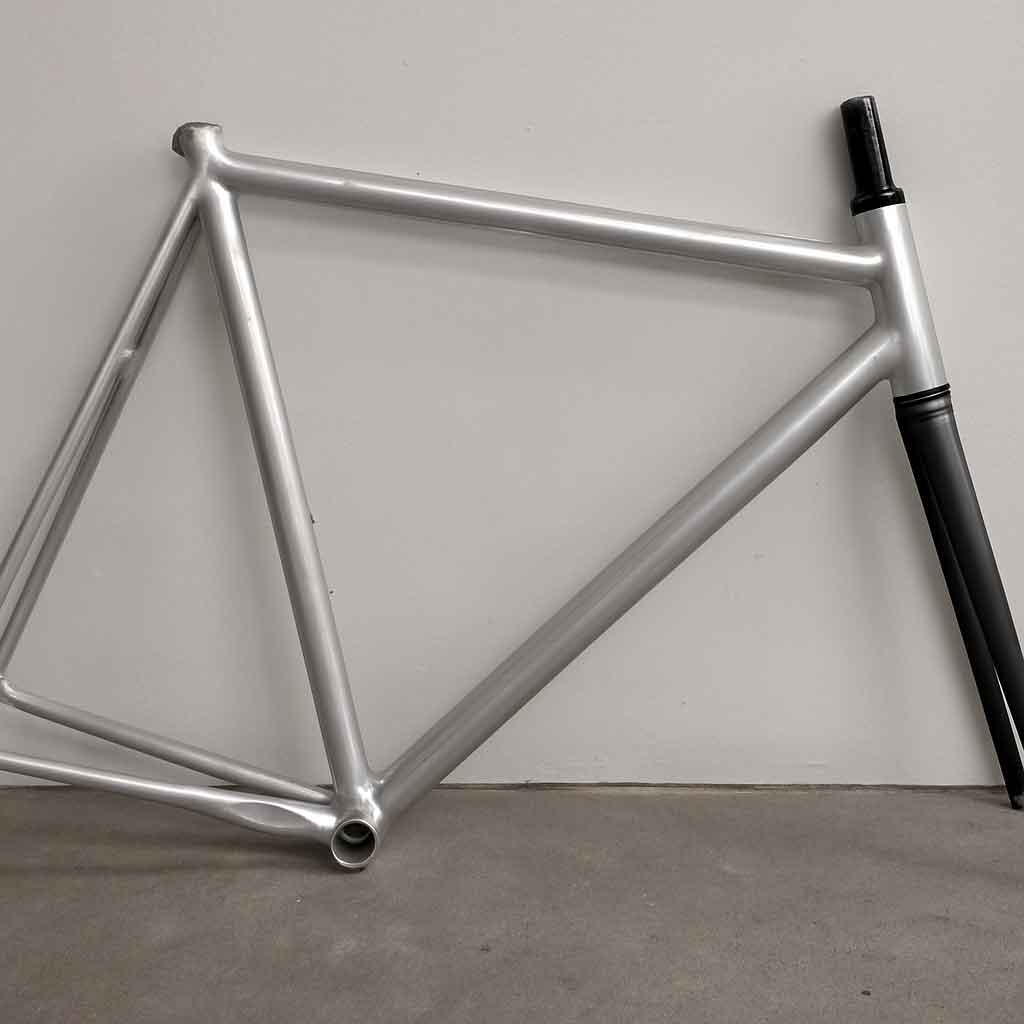
Aluminum frames are popular for their lightweight nature and affordability. They are often used in racing bikes due to their stiffness, which allows for efficient power transfer from the rider to the bike. This stiffness is a double-edged sword, as it provides excellent speed but less comfort on longer rides.
- Pros: Aluminum is lightweight and stiff, making it a great choice for those looking to enhance speed and efficiency. Its corrosion-resistant properties make it a low-maintenance option, appealing to those who ride in varied weather conditions. Additionally, aluminum frames come in a wide range of designs, catering to both budget-conscious buyers and those seeking high-end performance.
- Cons: The stiffness of aluminum can lead to a harsher ride compared to steel, as it doesn't absorb road vibrations as well. This can be particularly noticeable on longer rides or less-than-perfect road surfaces. Riders who prioritize comfort may find aluminum frames less forgiving than their steel or titanium counterparts.
Carbon Fiber Frames
Carbon fiber frames are known for being incredibly lightweight and strong. They are often used in high-end racing bikes and can be molded into aerodynamic shapes, which is beneficial for speed enthusiasts. The versatility of carbon fiber allows manufacturers to design frames that are both aesthetically pleasing and performance-oriented.
- Pros: Carbon fiber is the lightest material available for fixie frames, offering an excellent strength-to-weight ratio and vibration dampening. It provides a smooth ride by absorbing minor road imperfections, which can be a significant advantage in competitive settings. Moreover, carbon frames often come with advanced aerodynamic features that enhance speed and reduce drag.
- Cons: Carbon frames can be expensive and are more susceptible to damage from impacts or crashes. Unlike metal frames, which can often be repaired, damaged carbon frames may require complete replacement. Additionally, carbon fiber can be sensitive to extreme temperatures, which could affect its performance over time.
Titanium Frames
Titanium frames combine the best of both worlds: the strength and comfort of steel with the lightweight characteristics of aluminum. Known for their resilience, titanium frames are often considered an investment for serious cyclists.
- Pros: Titanium is resistant to corrosion and offers a comfortable ride due to its ability to absorb road vibrations. It is also very durable, with the potential to last a lifetime if well cared for. Titanium's natural finish is also appealing, often requiring no paint, which eliminates concerns about chipping or scratches affecting the aesthetic.
- Cons: Titanium frames are often the most expensive option, which can be a barrier for budget-conscious cyclists. Despite their high cost, they are often seen as the pinnacle of bike frame materials, providing an unmatched combination of performance and longevity.
Factors to Consider When Choosing a Fixie Frame
Choosing the right fixie frame involves more than just material preference. Several factors can influence your decision, each playing a crucial role in how well the bike fits your needs and lifestyle.
Weight
The weight of the frame is crucial for performance and ease of handling. If you plan to use your fixie for commuting in a city with lots of hills, a lighter frame such as aluminum or carbon might be ideal. Lightweight frames are also beneficial for those who frequently carry their bikes upstairs or need to transport them easily.
A heavier frame, while potentially more challenging to maneuver, can offer advantages in terms of stability and durability. For riders who prioritize a sturdy and reliable bike over speed, the added weight of a steel or titanium frame might be a worthwhile trade-off.
Durability
Consider how often and where you will ride your bike. For daily commutes in urban environments, a more durable material like steel or titanium may be preferable. These materials are less prone to damage from minor accidents or rough handling, ensuring your bike remains in good condition over time.
by kensho masanishi (https://unsplash.com/@niseken)
In contrast, if your rides are mainly on smooth roads or you're meticulous about bike maintenance, a lighter but less durable material like carbon fiber could suffice. Ultimately, the choice of durability should match your riding conditions and how much time you're willing to invest in upkeep.
Cost
Budget is always an essential factor. Steel and aluminum frames are typically more affordable than carbon or titanium. However, if you're looking for high performance and don't mind spending extra, carbon or titanium might be worth the investment. It's crucial to balance your budget with your performance needs and long-term goals.
Consider the total cost of ownership, including potential repairs and maintenance. While pricier upfront, a high-quality frame may save money in the long run by reducing repair costs and extending the bike's lifespan. Always factor in both initial and ongoing expenses when choosing your frame material.
Riding Style
Your riding style can also dictate the type of frame you choose. For aggressive riding or racing, a stiff and lightweight frame like aluminum or carbon is beneficial. These materials enhance speed and precision, crucial for competitive cycling or fast-paced urban commuting.
For leisurely rides or long-distance touring, the comfort of steel or titanium might be more appropriate. These frames offer a more relaxed and smooth ride, reducing fatigue over extended periods. Matching the frame material to your riding style ensures that your bike complements your cycling habits and maximizes your enjoyment.
Best Practices for Purchasing Fixie Frames
When purchasing a fixie frame, whether it's new or used, consider the following best practices to ensure you make a wise investment.
Research and Compare
Do thorough research and compare different frame materials and brands. Look for reviews and testimonials from other cyclists to gauge the performance and reliability of various options. Online forums and cycling communities can provide valuable insights and firsthand experiences that help refine your choices.
In addition to user reviews, consult professional resources such as cycling magazines or websites that offer in-depth analyses and comparisons. Understanding industry standards and expert opinions can further guide your decision, ensuring you select a frame that meets your expectations.
Test Ride
If possible, test ride bikes with different frame materials. This hands-on experience can give you a better sense of how each material feels and performs on the road. Pay attention to how the bike handles, its comfort level, and any vibrations you might feel.
Testing different frames also allows you to assess other bike components, like the geometry and fit, which can significantly affect comfort and performance. A test ride is an invaluable step in the buying process, offering firsthand insight into what works best for you.
Check for Sales and Deals
Look for fixie frames for sale, especially during off-peak seasons or clearance events. You might find high-quality frames at a discounted price. Many retailers offer promotions during the winter months or around major holidays, providing an opportunity to secure a great deal.
Signing up for newsletters from bike shops or following them on social media can keep you informed about upcoming sales or special offers. Being proactive and patient can result in significant savings, enabling you to purchase a higher-end frame within your budget.
Inspect for Damage
If purchasing a used frame, inspect it carefully for any signs of damage or wear, especially in carbon frames which can have hidden cracks. Look for any dents, scratches, or signs of rust on metal frames, and check the integrity of welds and joints.
For carbon frames, pay special attention to stress points and areas prone to impact, such as the bottom bracket and head tube. If you're unsure about assessing a frame's condition, consider having it examined by a professional mechanic who can provide a detailed evaluation.
Conclusion
Choosing the right fixie frame material is a personal decision that depends on your specific needs, preferences, and budget. Understanding the pros and cons of each material can help you make an informed choice that enhances your riding experience. A well-chosen frame not only contributes to the bike's performance but also to the rider's satisfaction and enjoyment.
Whether you opt for the classic durability of steel, the lightweight efficiency of aluminum, the cutting-edge technology of carbon fiber, or the luxury of titanium, the right frame will provide the foundation for an enjoyable and reliable ride. Remember to consider factors such as weight, durability, cost, and riding style to find the perfect fixie frame for your adventures. With the right frame, your cycling journeys can be both fulfilling and exhilarating, offering countless miles of memorable rides.
