
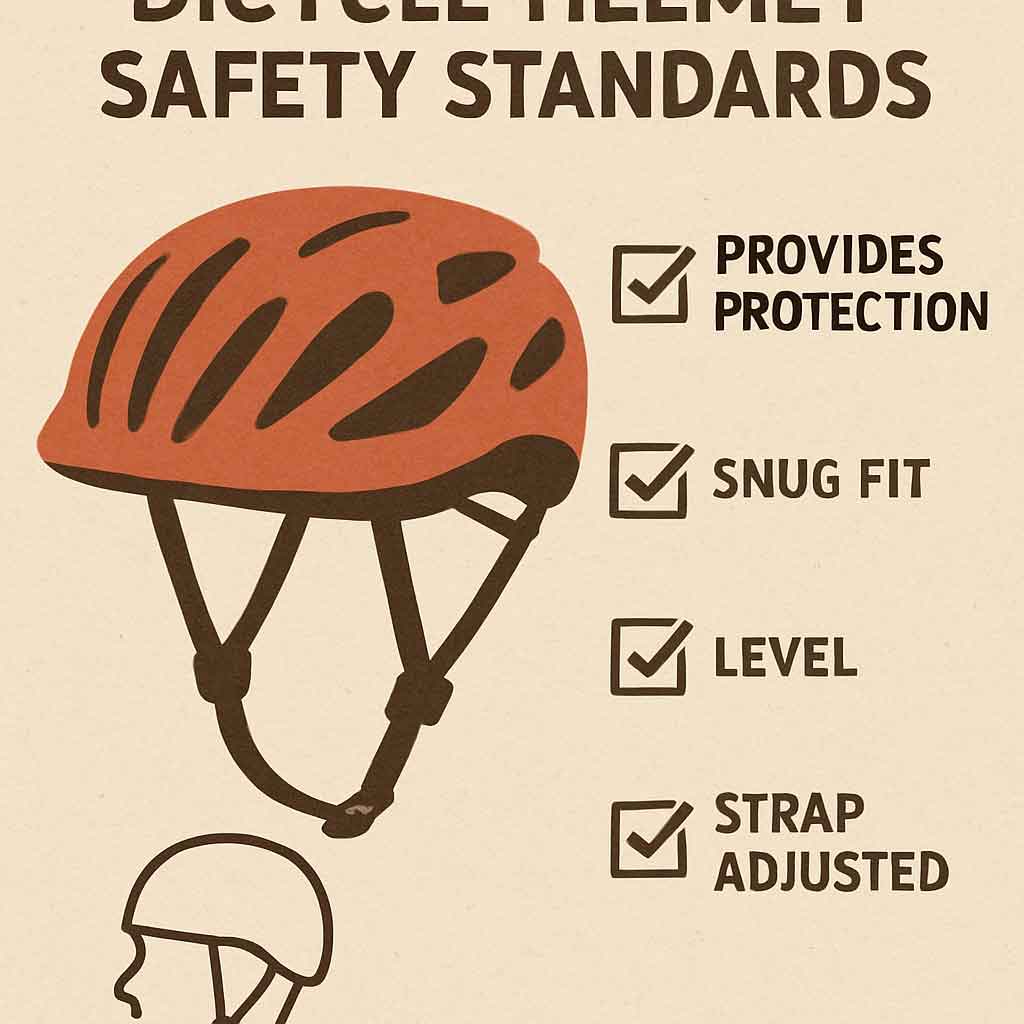
Safety is the most critical factor when choosing a bike helmet. All helmets must meet specific safety standards to provide adequate protection. In the United States, the Consumer Product Safety Commission (CPSC) standard is mandatory for all bicycle helmets. Look for a CPSC sticker or label inside the helmet to ensure it meets these requirements. This is your first line of defense in guaranteeing that the helmet you're considering can offer the protection you need.
Additional certifications, such as ASTM, SNELL, or EN1078, can offer extra assurance of quality and safety. Helmets with these certifications often undergo more rigorous testing, providing additional peace of mind. It's worth noting that these certifications are recognized internationally, meaning that a helmet with multiple certifications is likely to meet or exceed safety standards globally. This can be particularly important if you travel internationally and plan to bring your helmet along.
Key Features to Consider
Helmet Fit and Comfort
A well-fitting helmet is crucial for effectiveness and comfort. When trying on helmets, ensure a snug fit without being too tight. The helmet should sit level on your head, with the front edge one or two fingers above your eyebrows. Adjust the straps so they form a "V" shape under your ears, and buckle them comfortably under your chin. This positioning helps ensure that in the event of a fall, the helmet remains in place to offer maximum protection.
Most helmets come with an adjustable retention system, which helps fine-tune the fit. Some systems use a dial at the back of the helmet, while others have sliding mechanisms. Choose a helmet with a system you find easy to use and effective. Trying on multiple helmets is the best way to find a fit that feels secure but not restrictive. Remember, a helmet that fits well will not only offer better protection but also enhance your comfort on long rides.
Ventilation and Weight

Proper ventilation is essential for keeping cool during long rides. Look for helmets with multiple vents to allow air to flow through, reducing heat buildup. The best-ventilated cycling helmets are designed with strategically placed vents to maximize airflow without compromising safety. This is particularly important for those who ride in warmer climates or who engage in high-intensity cycling where overheating can become a concern.
Weight is another important consideration, especially for road cycling. Lightweight bicycle helmets reduce strain on your neck and shoulders, making them more comfortable for long rides. The lightest bicycle helmets often use advanced materials like carbon fiber or polycarbonate, which provide strength without adding bulk. While these materials may increase the cost, the investment can pay off in comfort and performance, especially for competitive cyclists.
Aerodynamics and Low-Profile Design
For road cyclists, aerodynamics play a significant role in performance. Low-profile bicycle helmets reduce drag, allowing you to cut through the air more efficiently. The best road cycling helmets balance aerodynamics with ventilation and comfort, providing a sleek, streamlined design without sacrificing breathability. This combination is particularly appealing for those who prioritize speed and efficiency on the road.
In addition to performance gains, a low-profile design often contributes to the helmet’s aesthetic appeal. Many cyclists appreciate helmets that look as fast as they feel, offering an added psychological boost during competitive events. When choosing a helmet, consider how its aerodynamic features align with your cycling goals and personal style preferences.
Style and Cool Factor

by Munbaik Cycling Clothing (https://unsplash.com/@munbaik_cycling)
While safety and performance are paramount, style is also a consideration for many cyclists. Cool men's bike helmets come in various designs and colors, allowing you to express your personality while staying protected. From bold graphics to sleek, minimalist designs, there's a helmet to suit every taste. Whether you prefer a classic look or something more modern and eye-catching, there's no shortage of options.
Choosing a helmet that reflects your personal style can make wearing it more enjoyable, encouraging you to wear it consistently. Remember, the best helmet is one that you wear every time you ride. Therefore, selecting a design that you love can enhance your overall riding experience and ensure that you’re always protected on the road.
Price and Value
Bike helmets range in price from budget-friendly options to high-end models with advanced features. While it's essential to choose a helmet within your budget, don't compromise on safety or comfort. The best bike helmets offer a balance of quality, performance, and affordability. It's important to consider what features are most important to you and prioritize spending on those areas.
Investing in a higher-quality helmet can pay off in terms of durability and enhanced features, such as improved ventilation or advanced safety technology. However, even budget options can provide excellent protection if they meet safety standards. Consider your cycling habits and needs to determine where to allocate your resources for the best overall value.
Top Helmet Brands for Men
Giro
Giro is a well-known brand in the cycling world, renowned for its innovative designs and commitment to safety. The brand offers a wide range of helmets, from the best road bicycle helmets to casual cycling helmets. Many cyclists consider Giro a good helmet brand due to its reputation for quality and style. Their products often feature cutting-edge technology and design elements that appeal to both amateur and professional cyclists alike.
Giro’s focus on research and development has led to several industry-leading innovations, making them a top choice for those who prioritize performance. Their helmets often receive high marks for both comfort and ventilation, ensuring that you can ride longer without discomfort. Giro’s commitment to style ensures you can always find a helmet that suits your aesthetic preferences, making them a versatile choice for any cyclist.
Specialized
Specialized is another leading brand, known for producing some of the best road bike helmets on the market. Their helmets often feature cutting-edge technology, like the ANGi crash sensor, which alerts emergency contacts in the event of an accident. This technology provides an extra layer of safety and peace of mind for both the rider and their loved ones.
Specialized is also committed to sustainability and innovation, often using eco-friendly materials and processes in their helmet production. Their helmets are designed to meet the highest safety standards while also providing comfort and style. With a strong reputation for quality and customer satisfaction, Specialized continues to be a top choice for serious cyclists.
Bell
Bell has been a trusted name in helmet manufacturing for decades, offering a range of options for different cycling disciplines. From cool road bike helmets to the best ventilated helmet cycling, Bell delivers quality and performance at various price points. Their long history in the industry means they have a deep understanding of what cyclists need and value in a helmet.
Bell’s helmets are known for their durability and innovative features, often incorporating the latest in safety technology. Their designs cater to a wide audience, ensuring that whether you're a casual rider or a competitive cyclist, there's a Bell helmet that fits your needs. Their commitment to providing value across all price ranges makes them a great option for cyclists on a budget.
Tips for Maintaining Your Bike Helmet
Regular Inspection and Cleaning
Inspect your helmet regularly for signs of wear or damage. Look for cracks, dents, or frayed straps, and replace your helmet if you find any defects. Cleaning your helmet is simple -- use mild soap and water to wipe down the shell and pads. Avoid using harsh chemicals, as they can damage the helmet's materials. Regular maintenance not only extends the life of your helmet but also ensures it can offer optimal protection every time you ride.
In addition to visual inspections, pay attention to how the helmet feels during use. If it begins to feel loose or uncomfortable, it may be time to adjust the fit or consider a replacement. Regularly cleaning your helmet can also help prevent odors and maintain the condition of the padding, keeping your rides comfortable and pleasant.
Replacing Your Helmet
Helmets are designed to absorb the impact of a crash, and should be replaced after any significant impact, even if no visible damage is present. Most manufacturers recommend replacing your helmet every 3 to 5 years, as the materials can degrade over time. Regularly updating your helmet ensures that you benefit from the latest advancements in safety technology and materials.
Even without an impact, exposure to elements like UV rays, sweat, and temperature fluctuations can weaken a helmet over time. By adhering to the recommended replacement schedule, you can ensure that your helmet continues to provide the highest level of protection. Always prioritize your safety and comfort by staying informed about when your gear needs updating.
Conclusion
Choosing the right bike helmet for men involves considering various factors, including safety standards, fit, ventilation, and style. By understanding these key features and exploring top brands, you can find a helmet that provides the protection and comfort you need for your rides. Whether you're searching for the coolest looking bike helmets or the lightest cycling helmets, prioritize safety and functionality to ensure an enjoyable cycling experience. Remember, the right helmet is an investment in your safety and enjoyment, allowing you to focus on the thrill and freedom of cycling.
